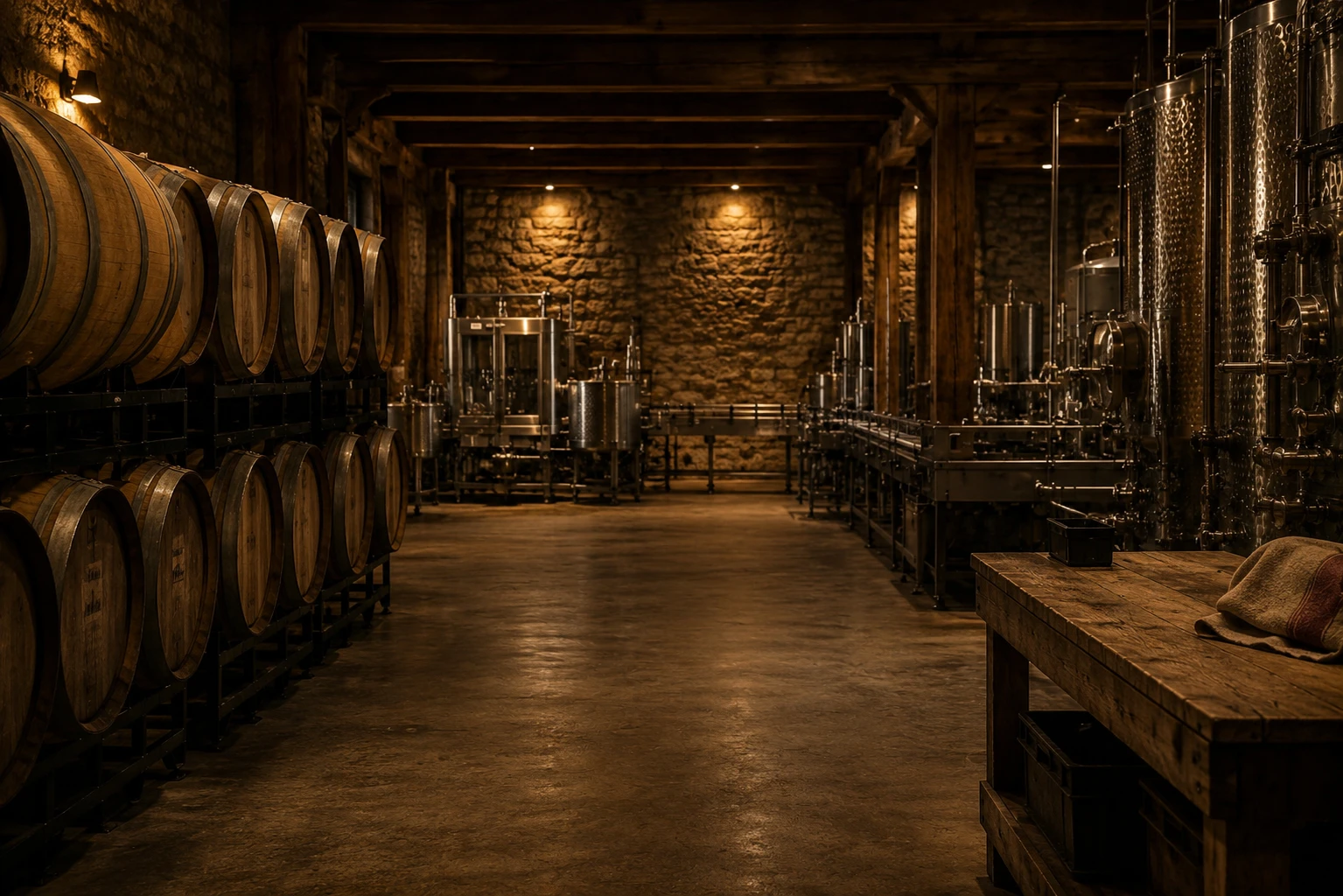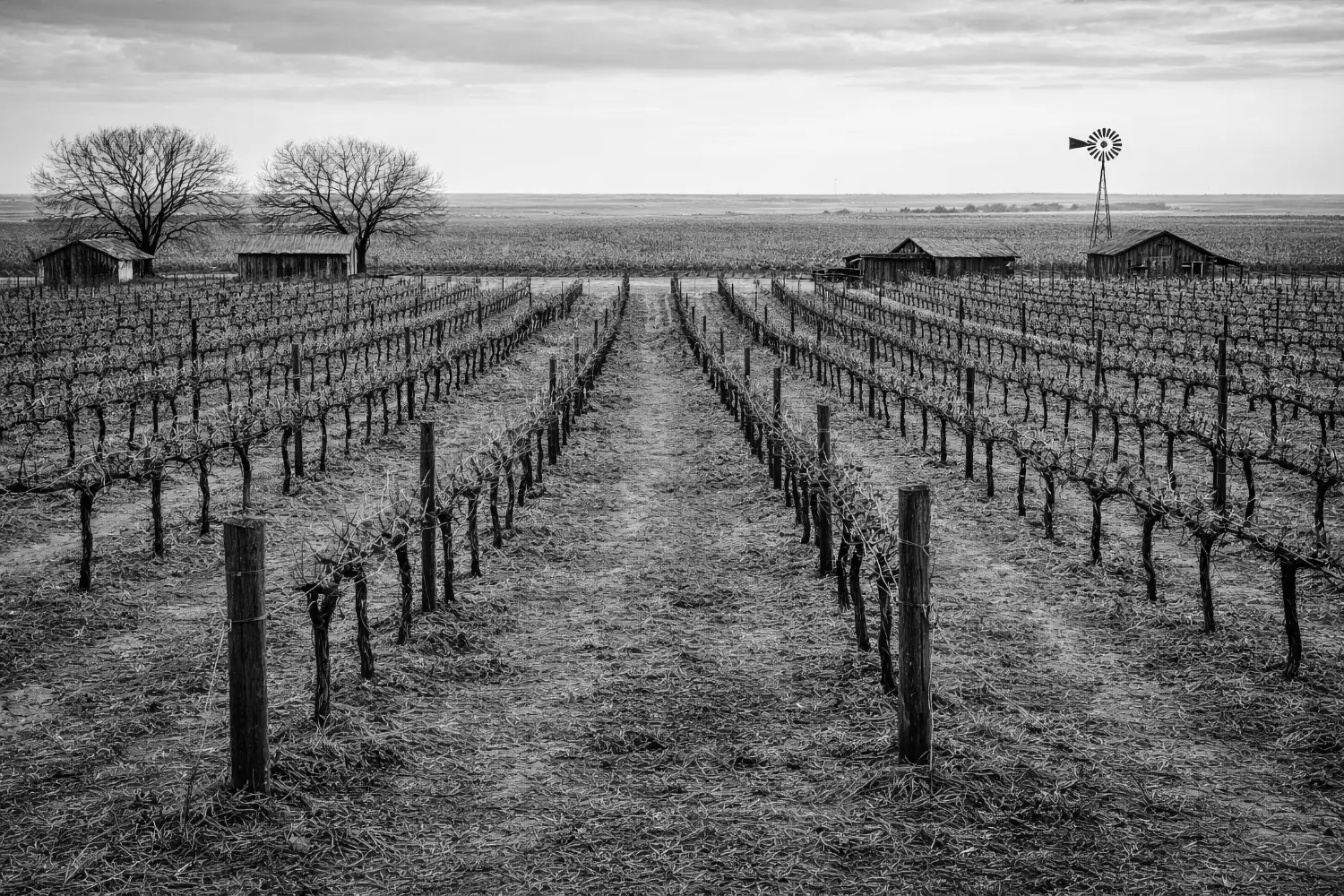
Before the cork is pulled, before the glass is poured, before you experience the aromas on the nose and the flavors on the palate, an expectation has already been set.
That expectation is based on place.
Certain names immediately suggest something about the wine waiting inside the bottle.
Bordeaux brings to mind gravel vineyards and stone châteaux stretching toward the Gironde. Tuscany suggests rolling hills lined with cypress trees and stone villages. Napa Valley evokes sunlit slopes planted to vines climbing the edges of the Mayacamas.
The name of a wine region carries far more than what’s in the glass. It carries the feeling of a landscape.
In Priorat, Spain, I was taken with the vineyards clinging to steep hillsides of fractured black slate. Standing there and looking at the terrain, it becomes immediately clear why the wines taste the way they do.
Wine begins with soil, climate, and grapes, but what ultimately gives a region its identity is the story those elements create together. Over time, certain places begin to mean something. They shape expectations long before the cork is pulled.
And that is why the names of wine regions matter.
In Bordeaux, the conversation rarely stops at the region itself. The names Pauillac, Margaux, and Saint-Émilion signal specific landscapes within Bordeaux — places where subtle differences in soil and exposure create wines with their own personality.
The same layered identity appears in California’s Napa Valley. Sub-regions such as Rutherford, Calistoga, and Los Carneros have become meaningful place names of their own, each shaped by different soils, elevations, and climate influences.
The most recognized wine regions ultimately evolve this way.
First comes the region.
Then come the places within the region that prove themselves distinct enough to earn their own names.
Texas wine is now firmly entering that stage of its evolution.
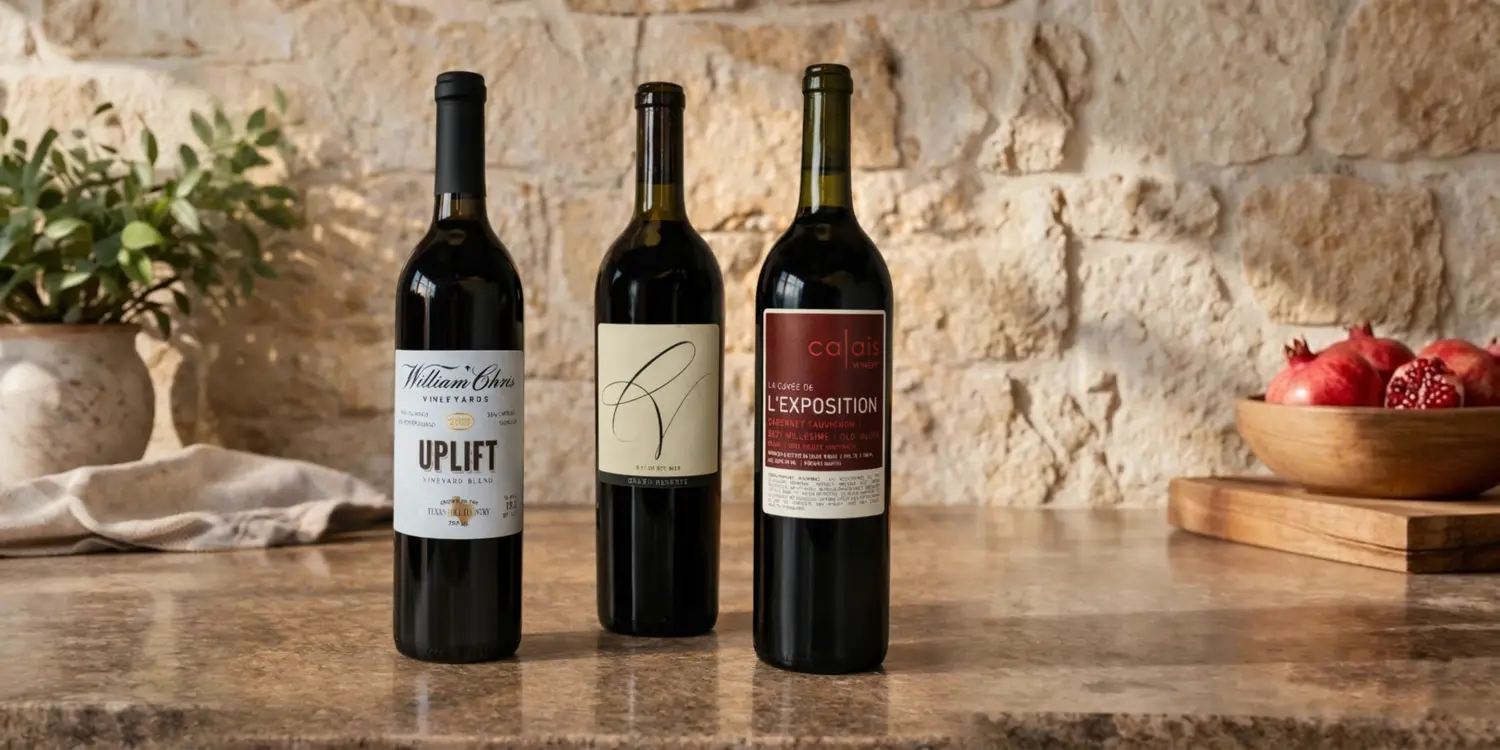
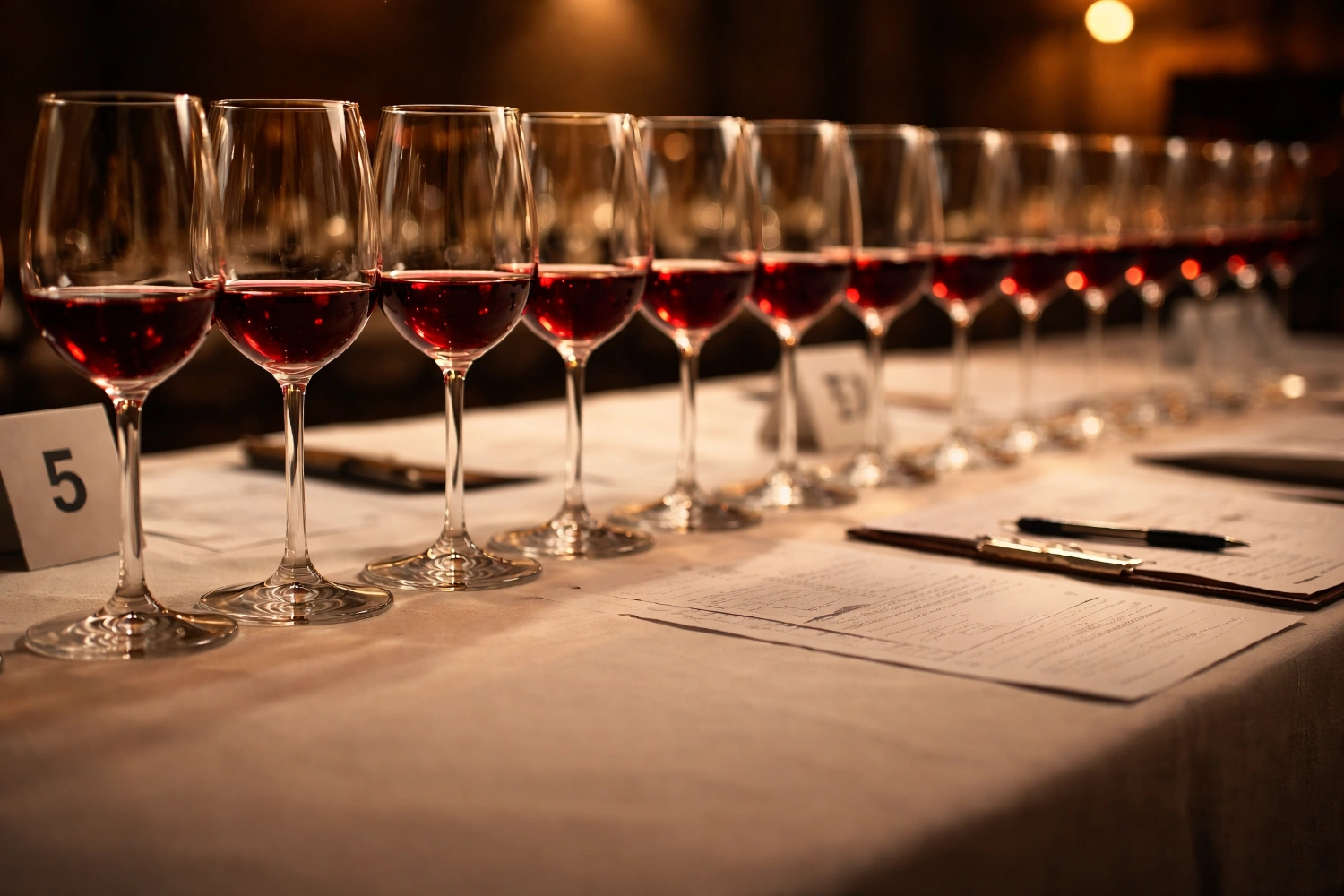
Wines from proposed AVAs: William Chris Vineyards, 2023 Uplift Vineyard Blend • Robert Clay Vineyards, 2017 Merlot from the Hickory Sands District • Calais Winery, 2021 Cuvée de L’Exposition Dell Valley Vineyards Old Block.
The Value of Specific Places
One of the defining characteristics of mature wine cultures is specificity.
The more precise the place, the clearer the identity.
Texas wine is beginning to move along that same path.
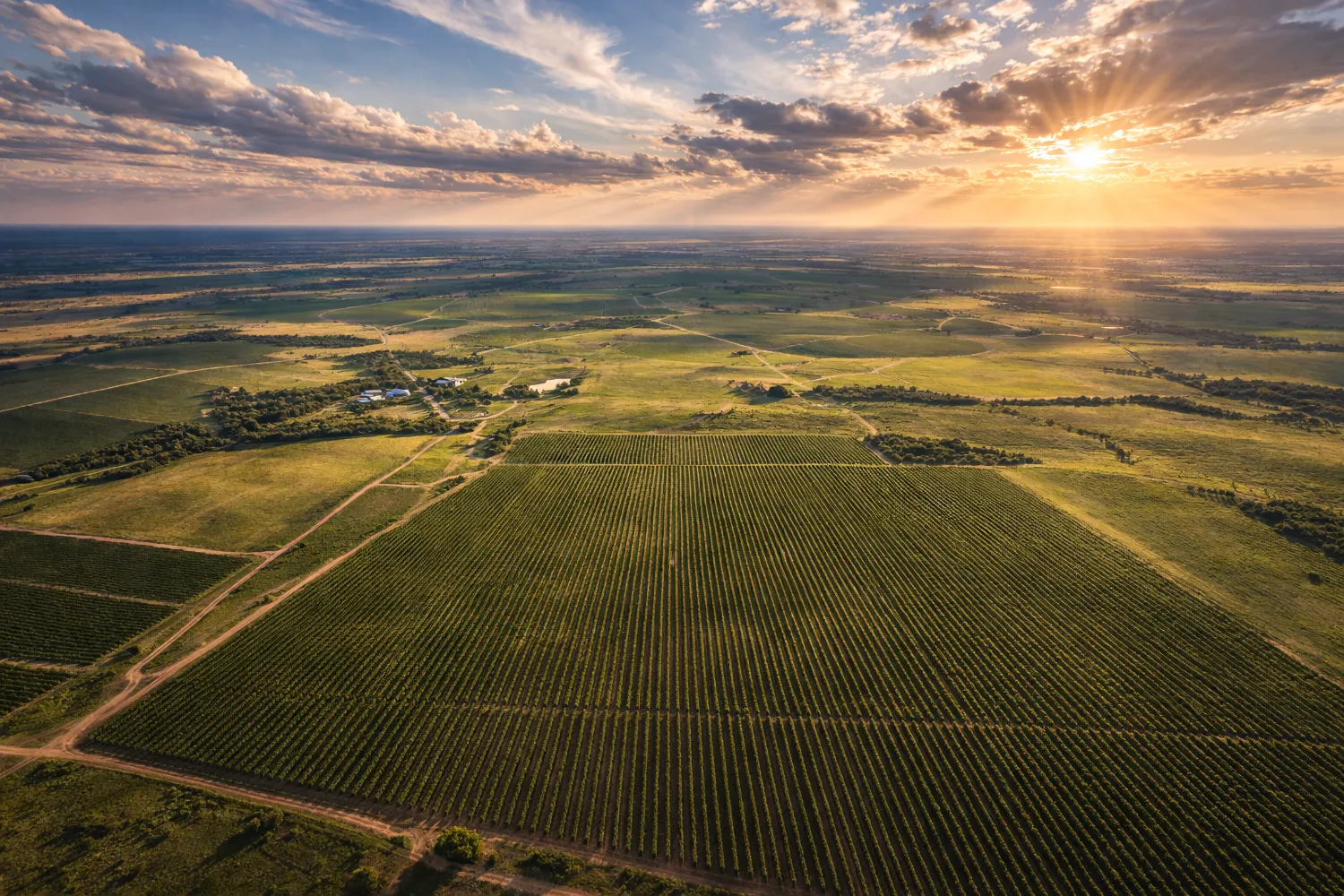
For many years the conversation was simple: Texas wine. But Texas is vast, and its landscapes are far from uniform. Elevation, soil composition, rainfall patterns, and temperature swings vary dramatically across the state.
Two regions anchor modern Texas wine.
The Texas High Plains, with vineyards often planted above 3,000 feet, produces the majority of the state’s wine grapes. Elevation moderates the heat and creates large day-night temperature swings that help preserve acidity while grapes ripen.
The Texas Hill Country contains a complex patchwork of limestone hills, granite outcrops, sandy soils, and river valleys — an environment that continues to reveal distinctive vineyard sites of its own. Souzão is becoming one particularly striking example, producing some of the variety’s highest-rated wines in the world.
Rather than competing identities, these regions increasingly work together in shaping the character of Texas wine.
But both regions are enormous.
And that scale means the next stage of Texas wine’s evolution lies in identifying the smaller places within them — the areas where geology, climate, and farming traditions combine to produce something unique.
Texas Wine Regions: The Current AVA Landscape
Texas currently has eight federally recognized AVAs:
Texas High Plains
Texas Hill Country
Fredericksburg in the Texas Hill Country
Bell Mountain
Davis Mountains
Texoma
Escondido Valley
Mesilla Valley (shared with New Mexico)
Some of these AVAs function more like terroir niches, highlighting distinctive environments within larger regions.
Bell Mountain and Fredericksburg in the Texas Hill Country identify localized vineyard environments within the broader Hill Country AVA. Davis Mountains, with vineyards approaching 5,000 feet in elevation, represent one of the most dramatic high-altitude growing environments in the state.
Texoma, located north of the Dallas–Fort Worth metroplex, remains an emerging region where a small but growing number of vintners are exploring vineyard sites on north-facing hills that help reduce heat stress during the growing season.
Each contributes another piece to the evolving map of Texas wine.
And that map is still being drawn.
The Next Chapter: New Texas AVAs
Three proposed AVAs currently moving through the federal approval process represent an important step forward for Texas wine:
Llano Uplift
Hickory Sands District
Dell Valley
These proposals reflect a growing confidence that specific places within Texas produce wines distinctive enough to deserve recognition.
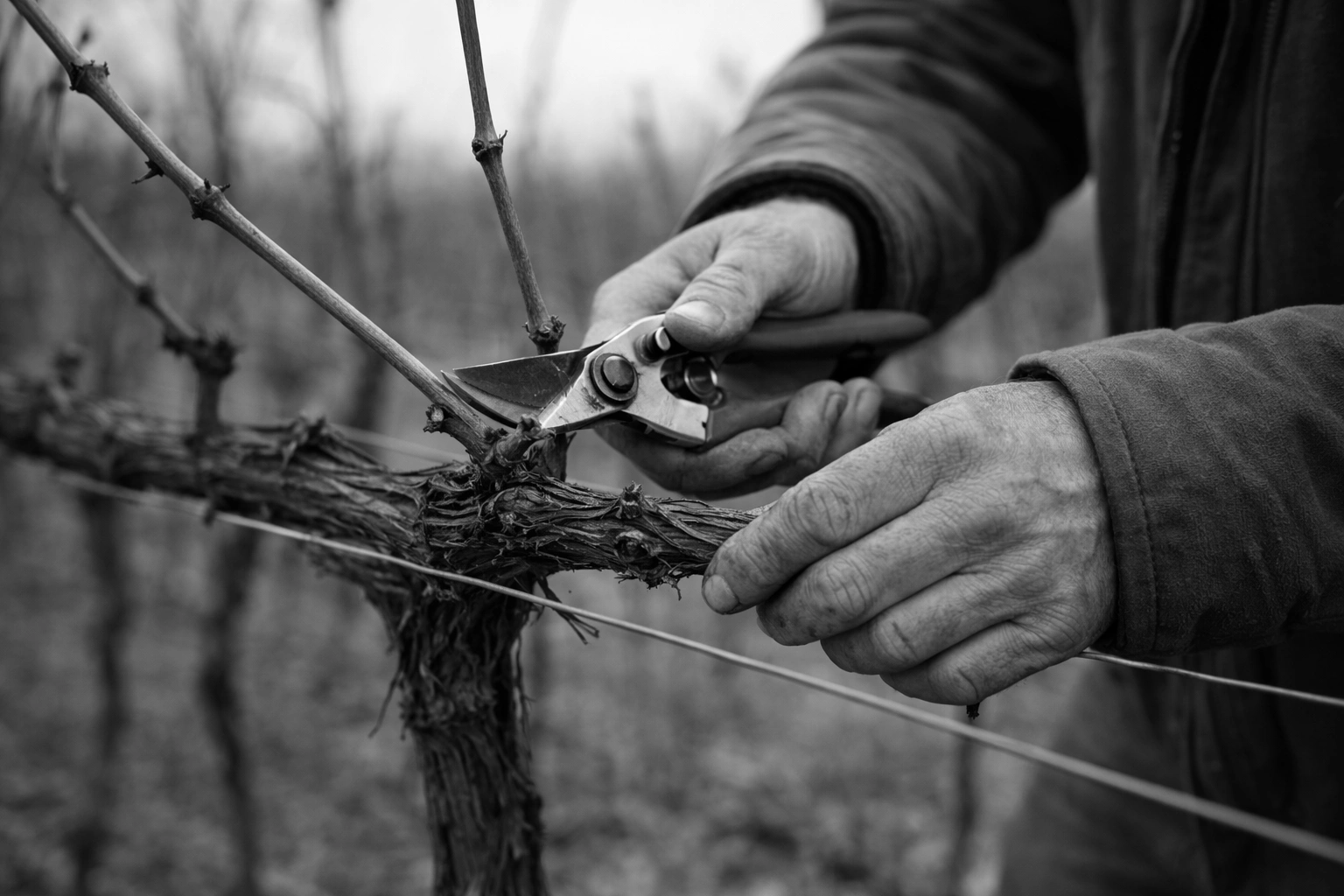
The petitions themselves have been driven by growers, winemakers, and researchers who have spent years studying the state’s geology and vineyard performance.
Among the most influential voices in that effort is Dr. Justin Scheiner, viticulture specialist at Texas A&M University, who has played a key role in researching and helping define proposed Texas AVAs.
As the Texas industry matures, scientific and geological research like this is helping clarify where meaningful regional differences truly exist.
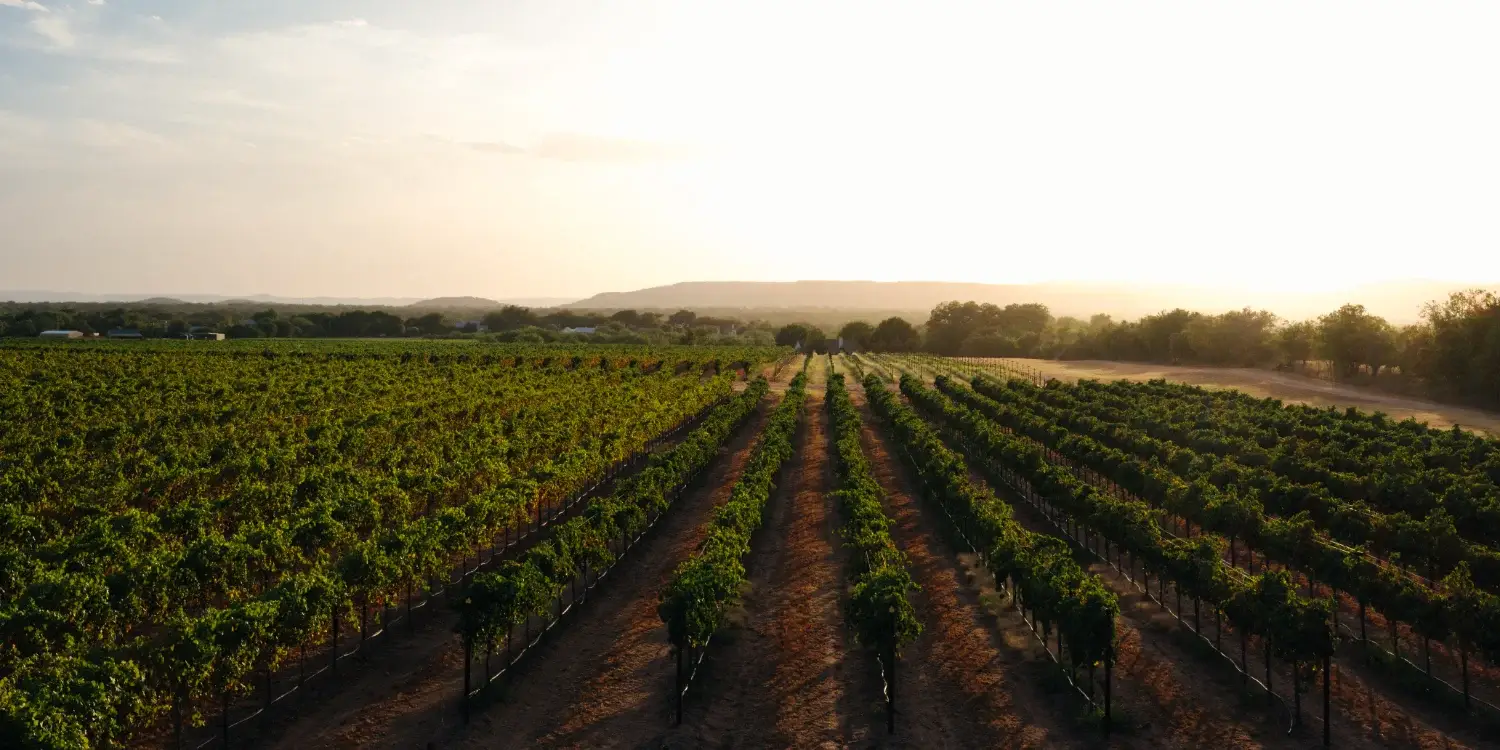
Llano Uplift: Granite at the Heart of Texas
One of the most clearly defined proposed AVAs begins in the heart of Central Texas.
The Llano Uplift region sits atop some of the oldest exposed rock in Texas — ancient granite formations that influence soil composition, drainage, and vineyard management.
The region also sits above its own aquifer system and generally receives less rainfall than surrounding areas, creating distinctive growing conditions for vines.
Winemaker Claire Richardson of Uplift Vineyard has described wines from the region as showing:
“more floral, delicate and perfumed” aromatics with medium-bodied structure and distinctive tannin character.
Recognizing and naming those differences is exactly what AVAs are designed to do.
Hickory Sands District: Mason County’s Distinctive Soils
Situated along the western edge of the proposed Llano Uplift AVA — and entirely within its broader footprint — the Hickory Sands District in Mason County already has a strong reputation among growers and winemakers.
The proposed region sits within the larger Hill Country AVA but occupies a distinctive geological formation known as the Hickory Sands Member — gravelly, iron-rich sandy soils lying above the Hickory Aquifer.
Grower and winemaker Dan McLaughlin of Robert Clay Vineyards, a leading advocate for the proposed AVA, explains:
“The proposed Hickory Sands District AVA is distinctive because it’s a tight, coherent growing environment inside a very large Hill Country umbrella. The district sits on top of the Hickory Sands Member geological region within the Hickory Sandstone outcrops. The vineyards here are generally situated between 1,500 and 1,980 feet, which creates a materially larger day-night temperature swing during the growing season. That combination of soil, water, elevation and diurnal shift consistently delivers riper flavors without losing natural acidity.”
Those conditions help explain why Mason County fruit has gained increasing recognition within the Texas wine community.
“There’s a real, repeatable place effect here — connecting what’s in the glass back to where it’s grown.”
Spend any time tasting wines sourced from Mason County and that connection quickly becomes clear — ripe fruit balanced by natural acidity, structure shaped by the sandy soils beneath the vines.
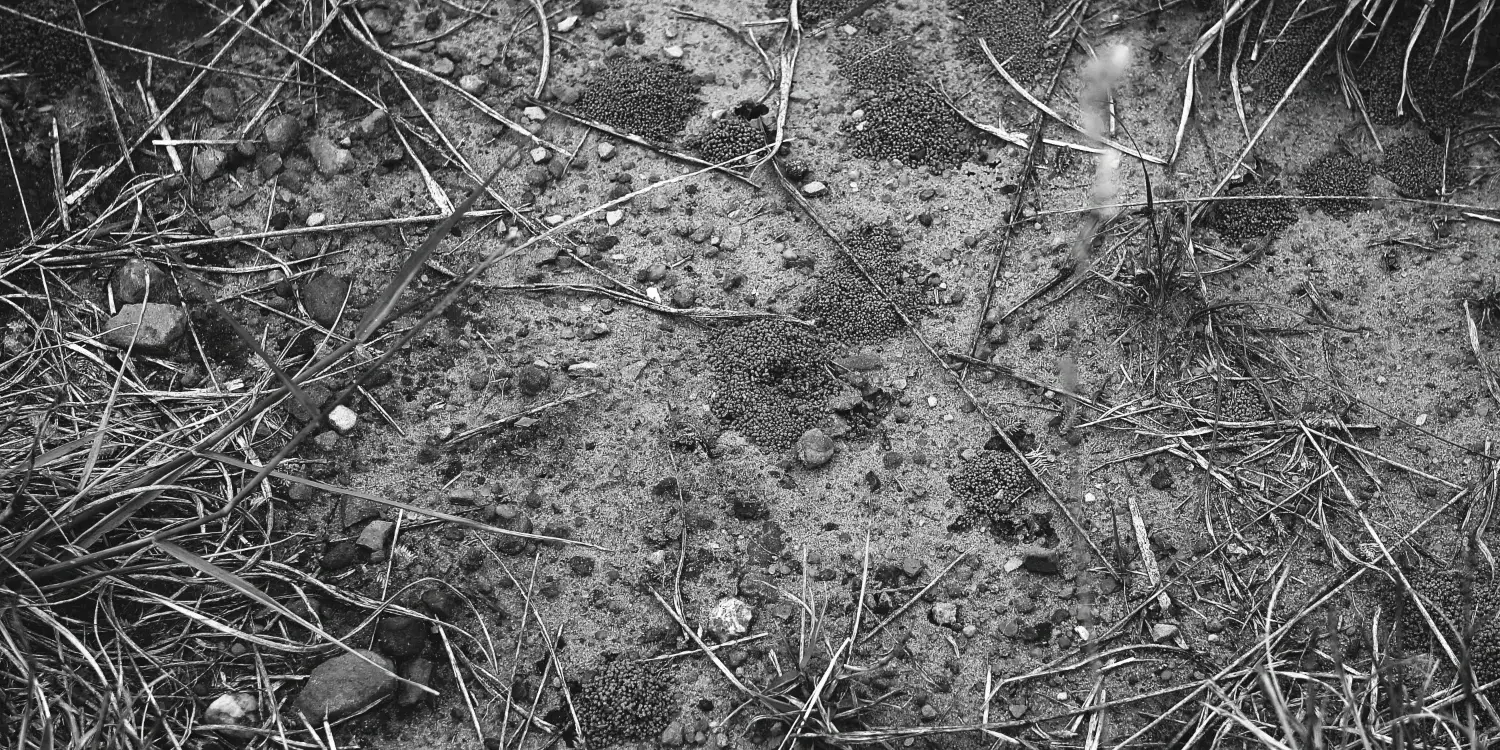
Wines that feel both generous and precise at the same time.
It is exactly the kind of place that, once named, invites wine drinkers to discover it for themselves.
Dell Valley: Viticulture at the Edge
If the Hill Country proposals highlight subtle geological differences, Dell Valley represents something much more extreme.
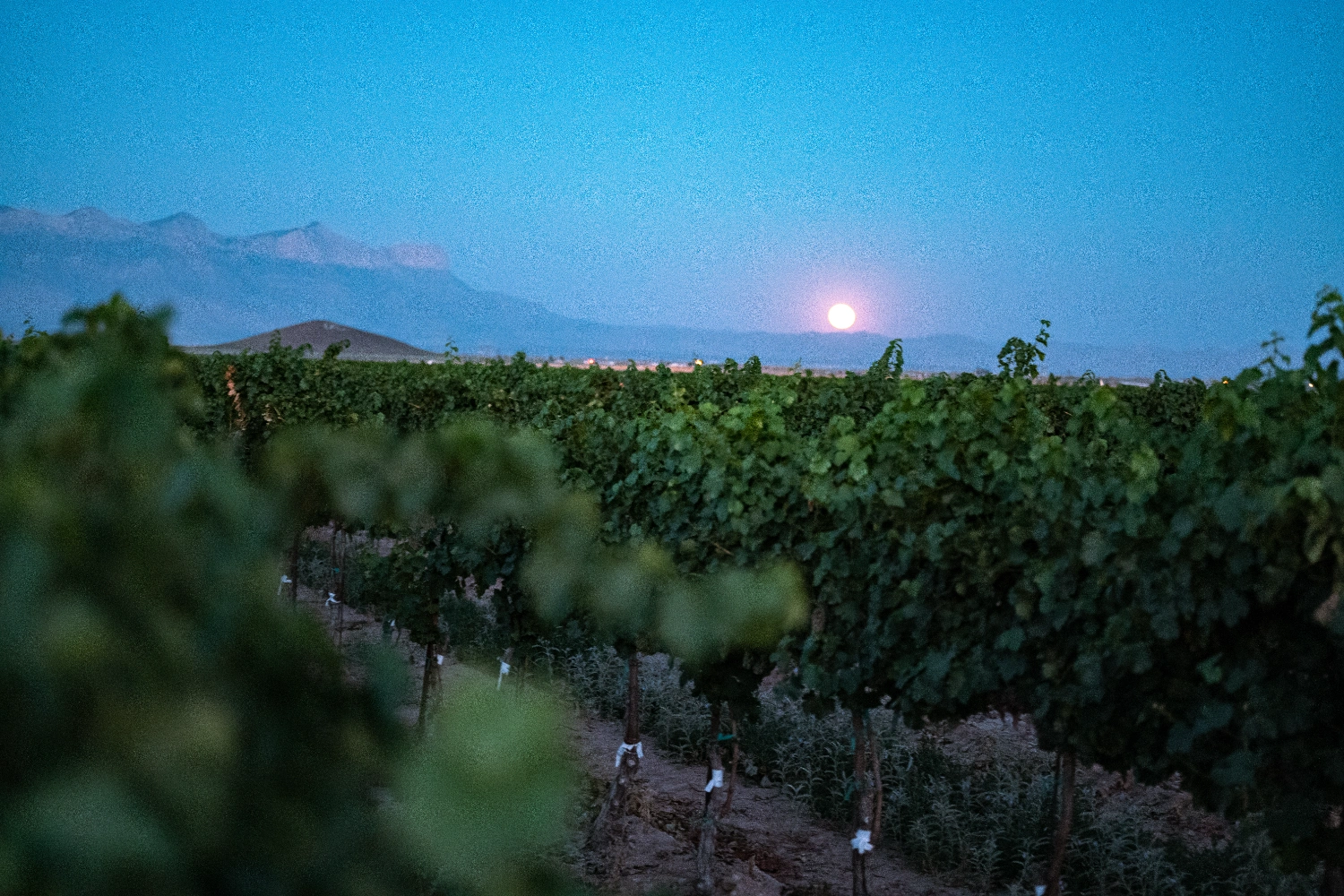
Located in far West Texas near the New Mexico border, the proposed Dell Valley AVA sits in a remote desert basin at elevations approaching 3,700 feet.
Conditions here are demanding — at times even unforgiving.
High winds.
Low rainfall.
Large diurnal temperature swings.
Winemaker Michael Bilger of Adega Vinho, who works with fruit from Dell Valley Vineyard, has described farming in the region as “extreme viticulture,” noting that despite drought, wind, frost, and hail, the vineyards consistently produce high-quality grapes.
The Dell Valley Vineyard itself is currently the primary commercial planting in the region, and its performance has helped spark interest in formally recognizing the area as an AVA.
A Slow but Important Process
The approval process for new AVAs can take years.
In fact, approvals across the United States have slowed noticeably in recent years. During a recent GuildSomm podcast discussion, Master Sommelier Chris Tanghe noted that only a small number of new AVAs were approved in the previous year.
At the same time, a substantial number of petitions remain under federal review.
As Tanghe observed:
“Right now… the TTB is sitting with a full clip with 30 pending changes to the American appellation system.”
He also suggested that recent TTB staff cuts and government shutdowns may be contributing to slower approval timelines.
Even so, the growing number of petitions suggests that emerging wine regions across the country — Texas included — are increasingly focused on defining their own geography.
Why These Names Matter
These three regions are already producing remarkable wines.
AVA recognition doesn’t change the quality of the wines — it gives that quality a place.
These names allow growers to tell the story of their land. They allow consumers to associate flavors with specific places. And they allow Texas wine to move beyond a single statewide identity toward a map of distinctive regions.
That process is how every great wine culture develops.
First comes the land.
Then come the wines.
And finally come the names that connect the two.
The Future of Texas Wine
Texas wine is still young.
But its landscape is vast and complex.
Granite uplifts.
High-elevation plateaus.
Iron-rich sandy soils.
Desert valleys pushing the limits of viticulture.
Each environment has the potential to become a recognizable name in the years ahead.
The Texas High Plains and Hill Country may someday be spoken of the way we now speak of Bordeaux or Napa Valley — foundational regions that anchor a larger wine culture.
Within them, smaller places will continue to emerge.
Places like Hickory Sands.
Places like the Llano Uplift.
Places like Dell Valley.
Because in wine, a name is never just a name.
It is a landscape.
A climate.
A community of growers and winemakers.
And most importantly, it is a promise that what’s in the glass comes from a real place — setting the expectation long before the cork is ever pulled.
Sources & Acknowledgments
Additional context for this article was informed by:
- GuildSomm Podcast, 2025 Year in Review
- Alcohol and Tobacco Tax and Trade Bureau (TTB)
- Texas Wine Growers website
- Texas Wine and Grape Growers Association website
The author thanks Dan McLaughlin of Robert Clay Vineyards for his insight on the proposed Hickory Sands District AVA.