If you are hesitant about trying Texas wine because of a previous bad experience or something you have heard, I understand.
I’ve been there.
But things have changed.
Texas wine today is not simply a better version of what it was a decade ago. It is a region beginning to define itself. Its wines have reached an internationally competitive level of quality, its vineyard sites are showing increasing distinctiveness, and there is a clearer sense of what belongs here. If your impression of Texas wine was formed years ago, it may be time to take another look.
Recognition Builds
I saw the first hints of Texas wine’s potential years ago.
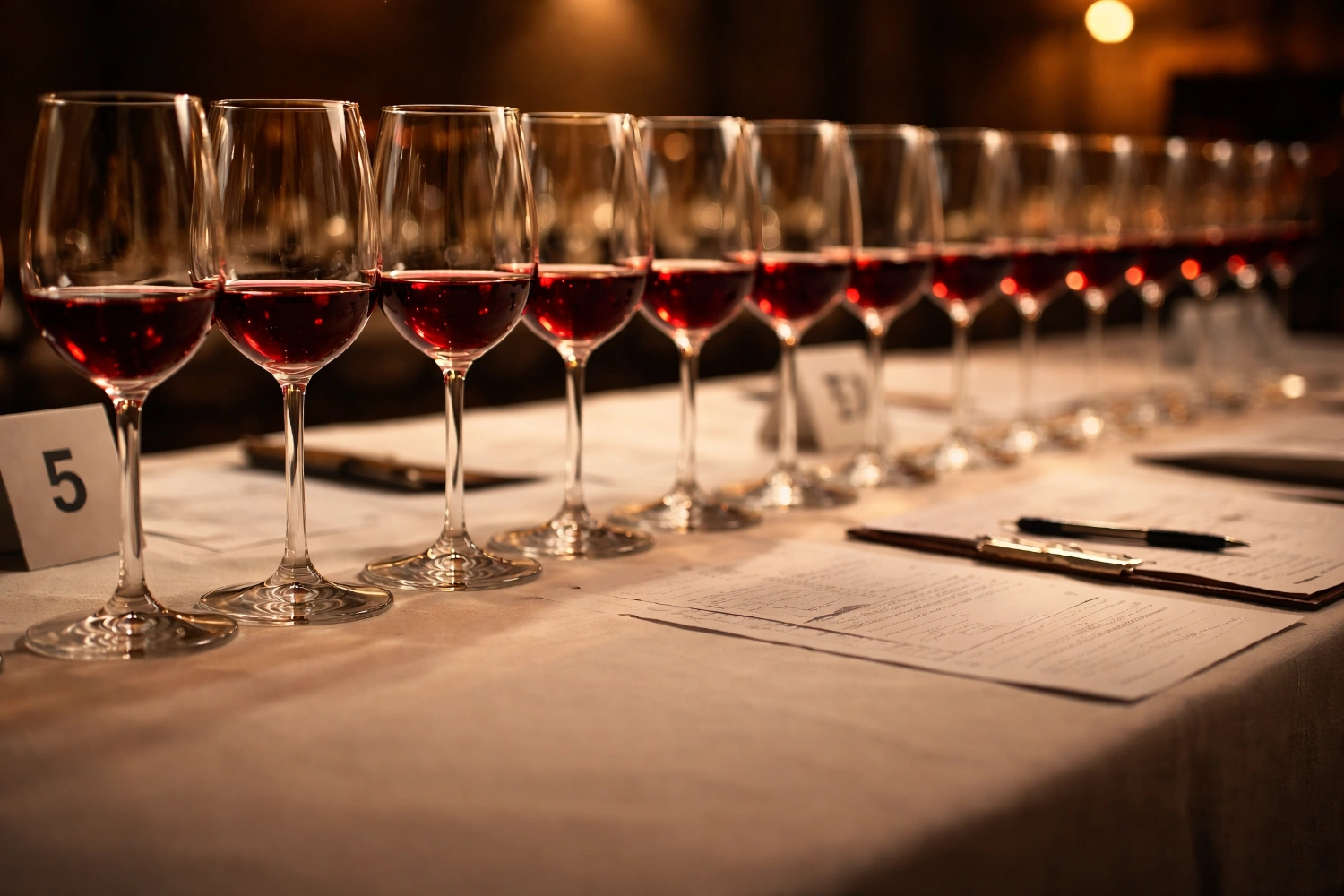
I remember hearing that Pedernales Cellars’ 2012 Viognier Reserve had won the Grand Gold—the highest possible honor—at the 2013 Lyon International Wine Competition in France. It was the only Grand Gold awarded to an American wine that year. It signaled international recognition that a Texas-grown white wine could stand with the best in the world.
I couldn’t help but smile whenever I saw their wines at H-E-B. There was an odd sense of pride—almost as if, as a Texan, I were somehow connected to the victory.
About a year later, my wife and I were with friends at the Bending Branch tasting room in Comfort, where we learned that the 2010 Bending Branch Cabernet Sauvignon from Newsom Vineyards had taken Double Gold at the 2014 San Francisco International Wine Competition.
As I recall, the price of that bottle had jumped to $100—more than I was willing to pay at the time, with kids still in school.
We then walked next door with our friends to what was then the Plaid Goat restaurant and found that same bottle on the wine list for $70. It felt like a steal, so we bought it and toasted the triumph.
That wasn’t just a good wine—it felt like a turning point. Texas wasn’t just trying to make wine anymore. We were making wines that could compete on any stage.
As those early successes accumulated, people outside Texas began to take notice.
In 2024, Jim Gordon, a critic with James Suckling’s organization—one of the most influential voices in wine—came to Texas to taste and rate our wines. He didn’t come on a goodwill tour; he came to evaluate quality. And he found it.
Calais Winery’s 2020 Cabernet Sauvignon (Clone 47) from Narra Vineyards received 96 points. French Connection’s 2021 Mourvèdre from Dell Valley Vineyards and Robert Clay Vineyards’ 2015 Texas Hill Country Merlot both earned 95 points. And they weren’t alone. Adega Vinho, Calais, French Connection, Pedernales Cellars, Texas Heritage Vineyard, Uplift Vineyard, and William Chris Vineyards all had wines scoring 94 points.
These are serious accolades—competitive with the best wines from Napa, Tuscany, and Bordeaux.
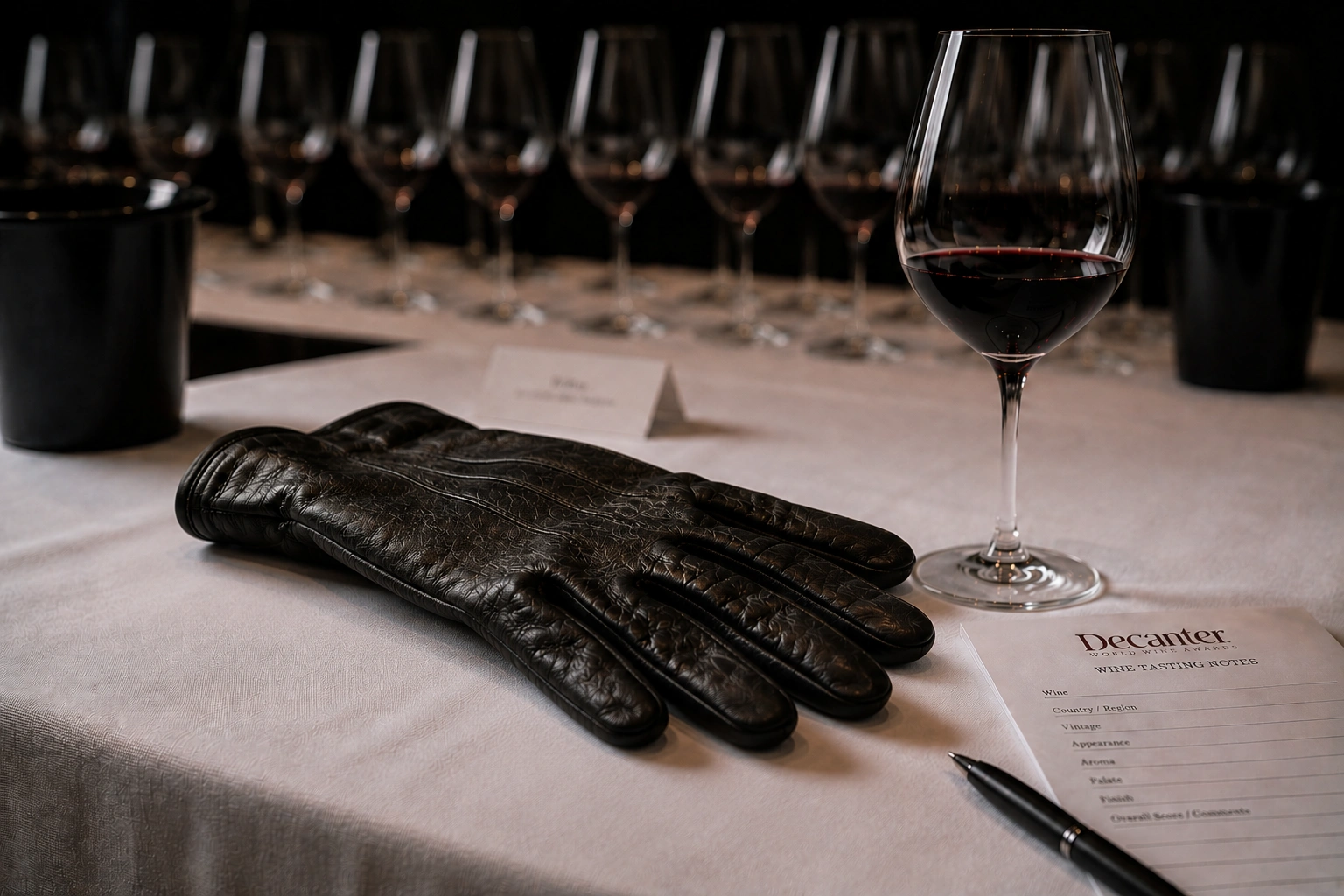
Since this article was first published, that momentum has only accelerated. At the 2026 Decanter World Wine Awards, Texas wines earned 122 medals, including four Golds. Among them was the Ab Astris 2022 Souzão, which received 96 points—one of several signs that the Texas Hill Country is producing some of the world’s highest-rated examples of this little-known Portuguese variety.
The recognition is no longer occasional; it is becoming part of the story of Texas wine.
Behind Every Bottle, a Story
Accolades may bring attention to Texas wine, but they are only part of what matters. Behind those wines are people who have spent years figuring out what Texas wine can become.
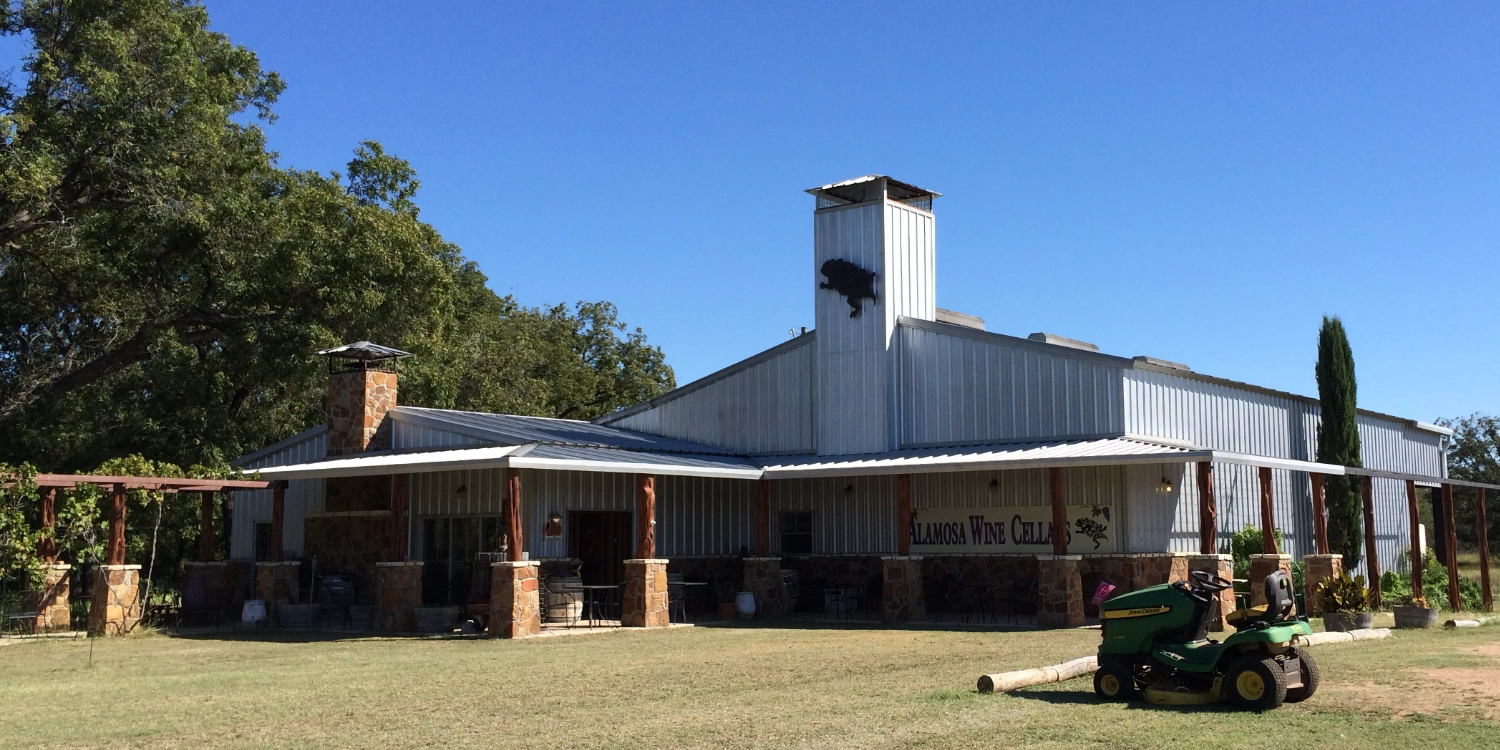
I first met Jim Johnson at a THCW event and was struck by how he had come to wine. Not long after, I visited him at Alamosa Wine Cellars, where he told me about leaving a corporate career to study winemaking at UC Davis, returning home to Texas to make wine, and ultimately building a winery from the ground up. There was no roadmap. He helped write it.
Years later, when I heard about a 95-point Texas Merlot aged in French oak for 26 months, I wanted to know more. So I made the trip to Mason, Texas, to see Dan and Blake McLaughlin at Robert Clay Vineyards.
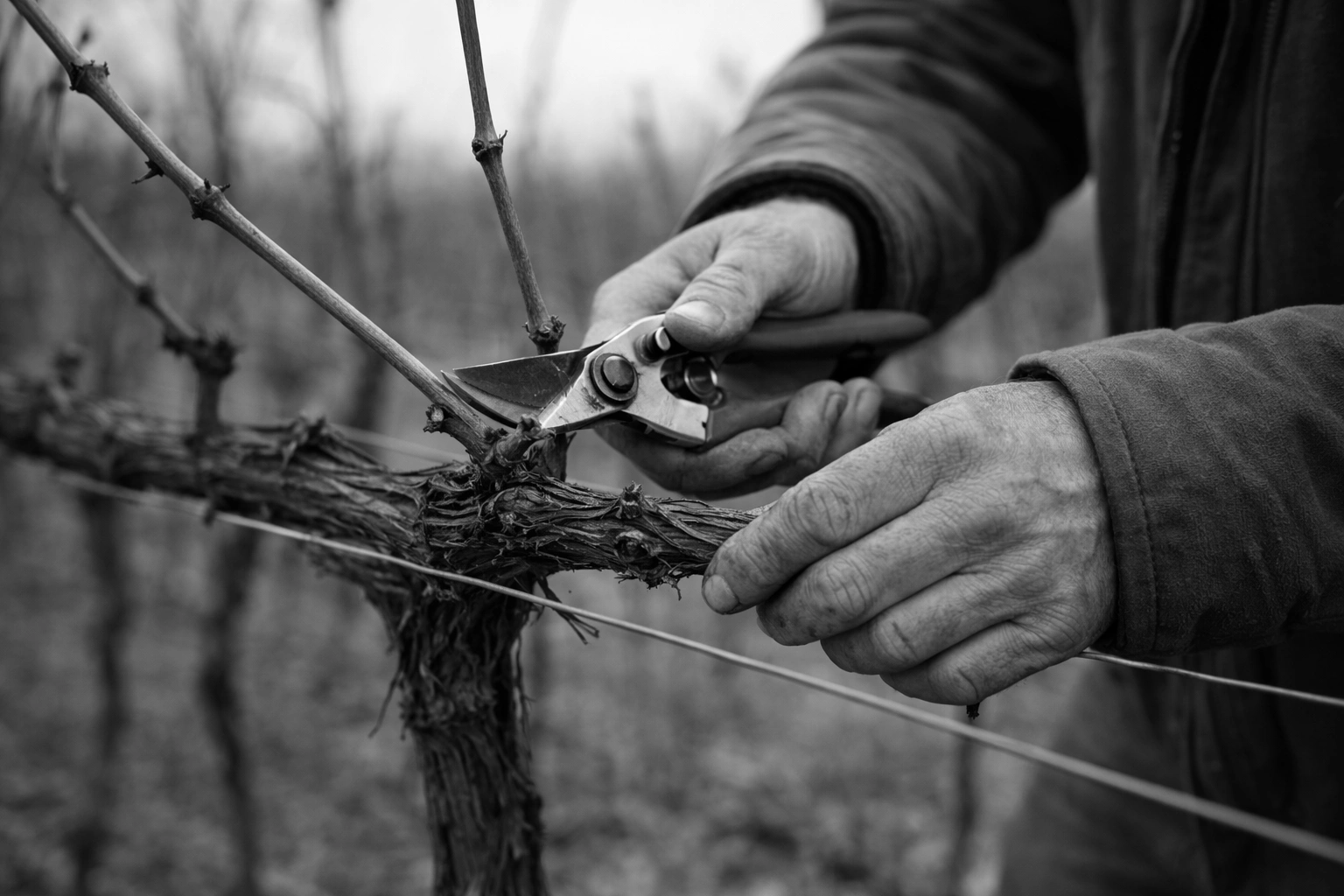
Dan had left the tech world in Austin and moved his family to Mason, where he bought a neglected vineyard—overgrown and largely forgotten after the previous owner’s illness. He came without a background in farming or winemaking, but with a vision for a different kind of life.
Robert Clay Vineyards has since had four wines receive 95-point scores from James Suckling’s team, placing them among the highest-rated wines in the state.
Stories like these are woven throughout Texas wine. Whether it is a fifth-generation farmer or a first-generation winemaker, the people behind the vineyards often bring with them a story of risk, reinvention, persistence, and place. And increasingly, those stories are inseparable from the land where the vines are growing.
A Sense of Place
In 2024, my wife and I walked to Plaza de Santa Ana in Madrid. The square was buzzing, the tables full, the wine lists ranging from Rías Baixas to Rioja to Ribera del Duero. That made sense. We were in Spain. Of course we were going to drink Spanish wine. It was part of the experience—place, people, and palate, all aligned.
The same idea applies here. Texas wine gives us a way to experience this place more fully—not just through what is in the glass, but through the landscapes, climate, and people that shape it.
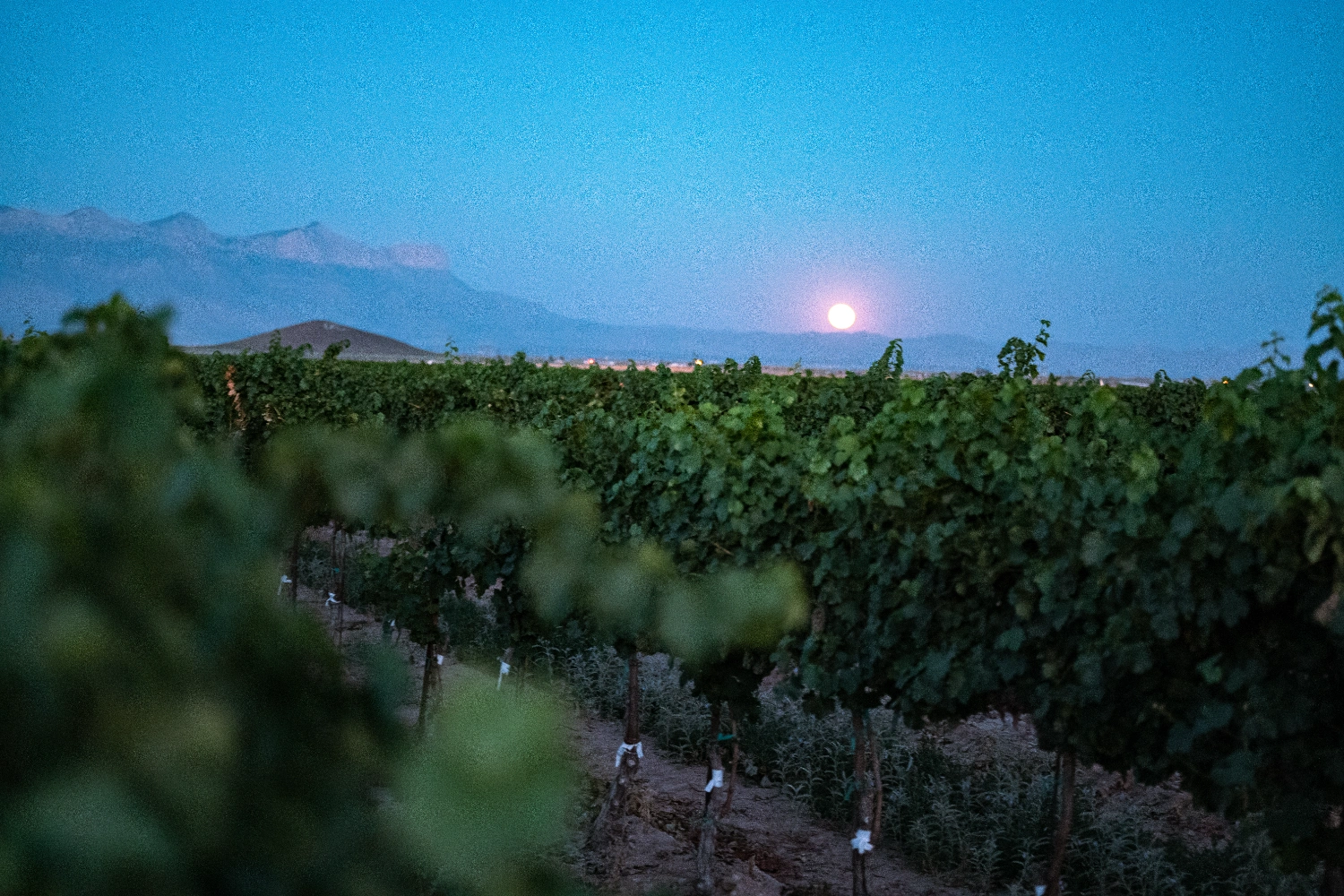
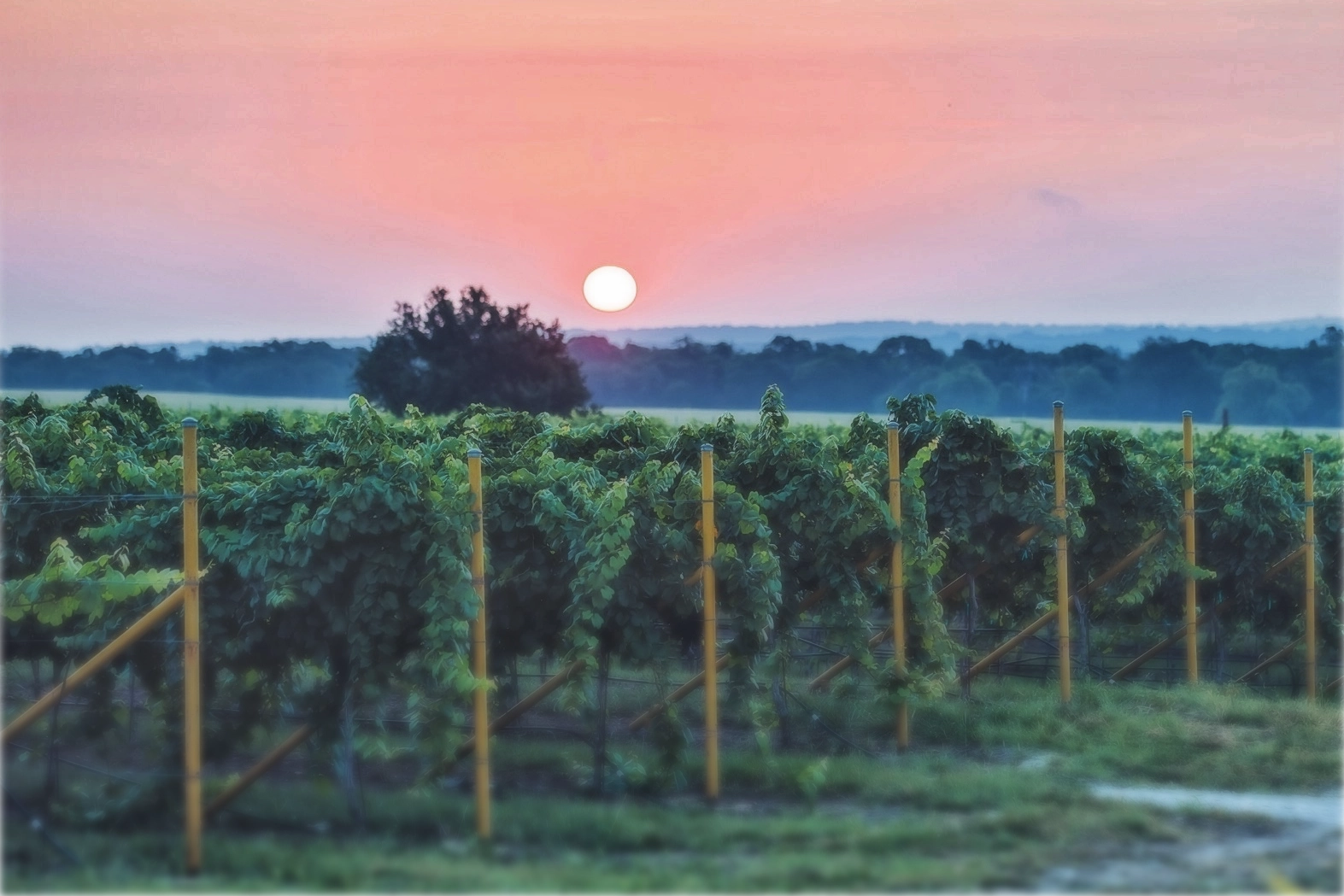
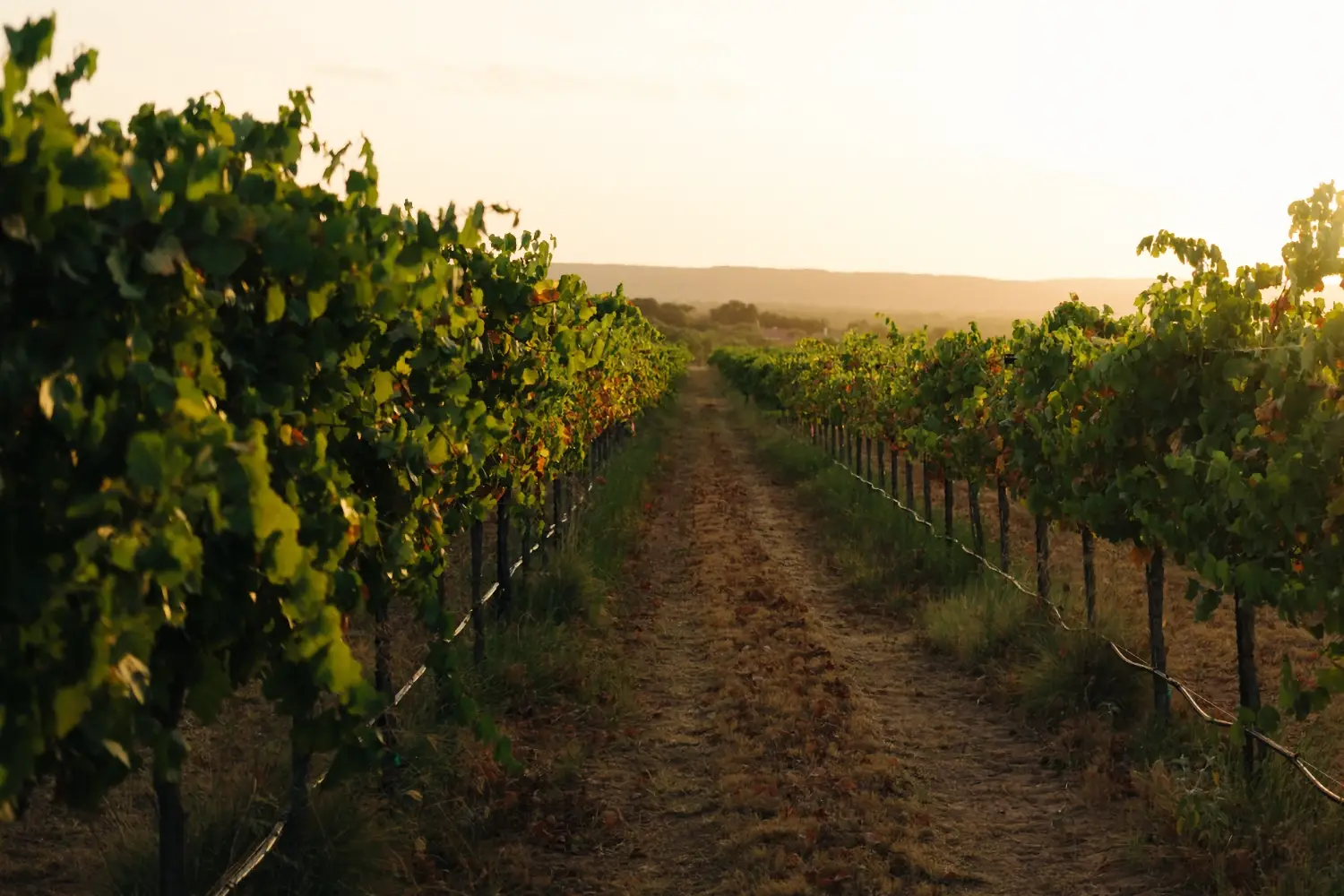
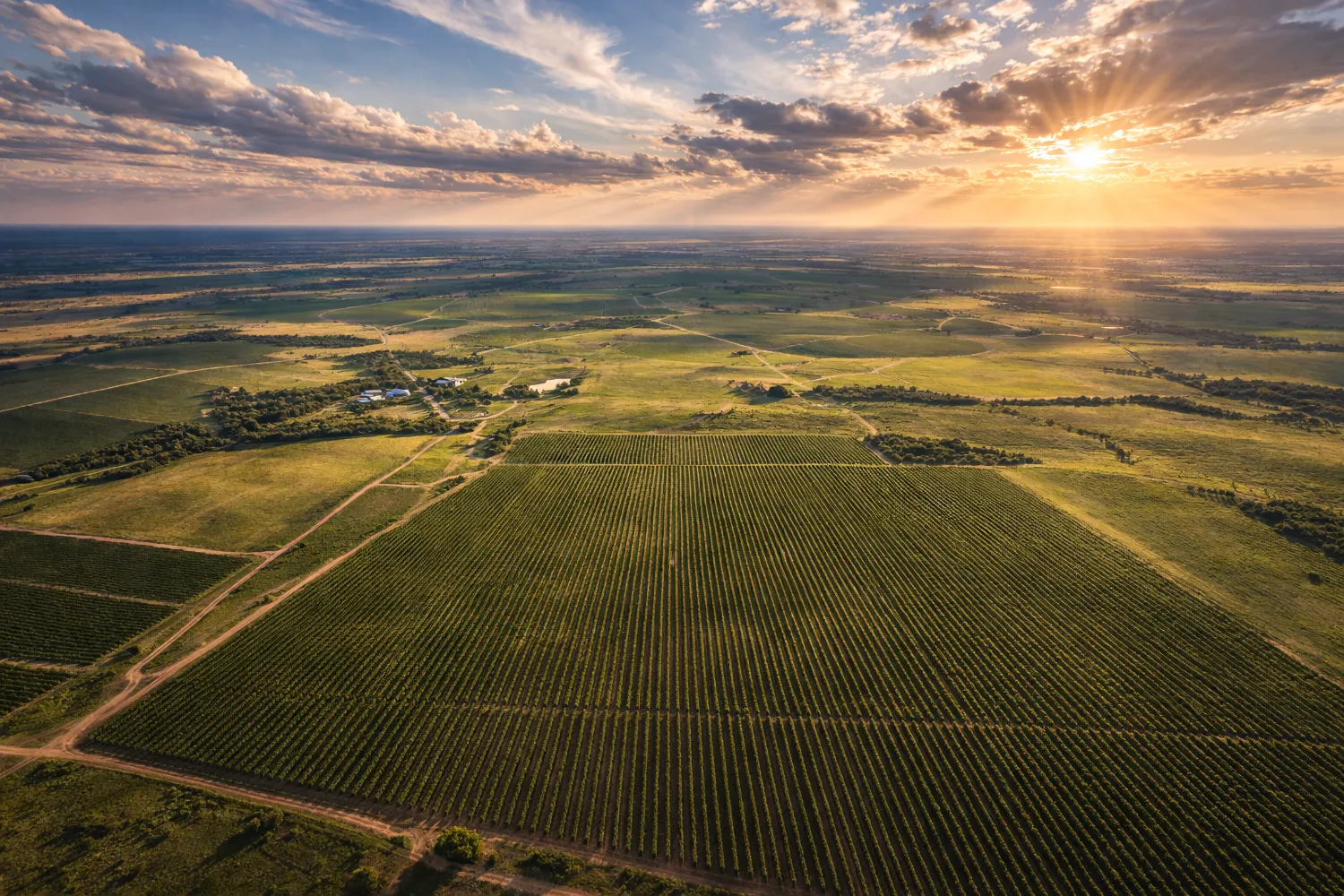
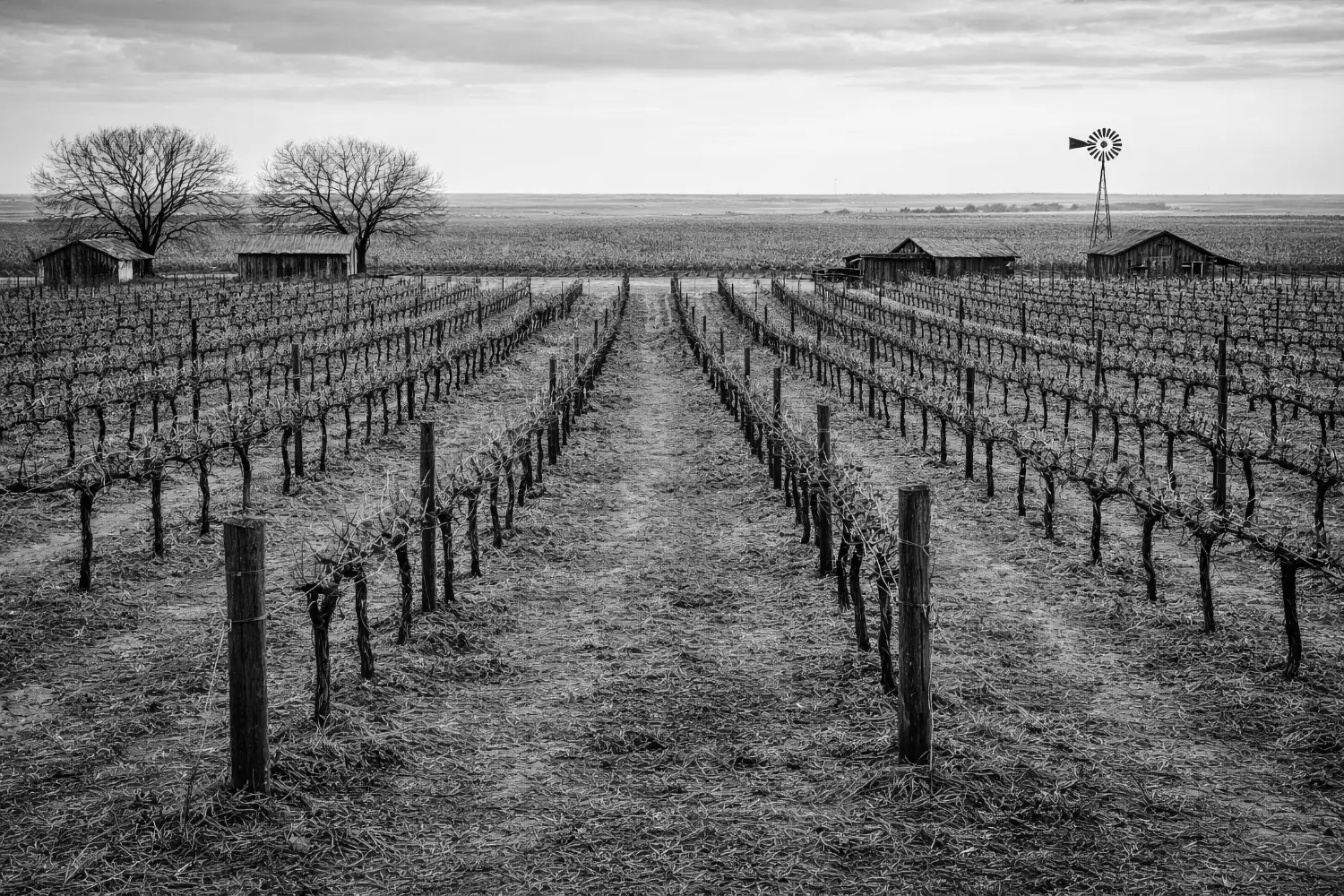
The Hill Country limestone, the High Plains wind sweeping across red sandy loam, the relentless sun of the Trans-Pecos—all influence how grapes grow and how wines develop. They shape ripening, water stress, acidity, concentration, and ultimately the character of the wine.
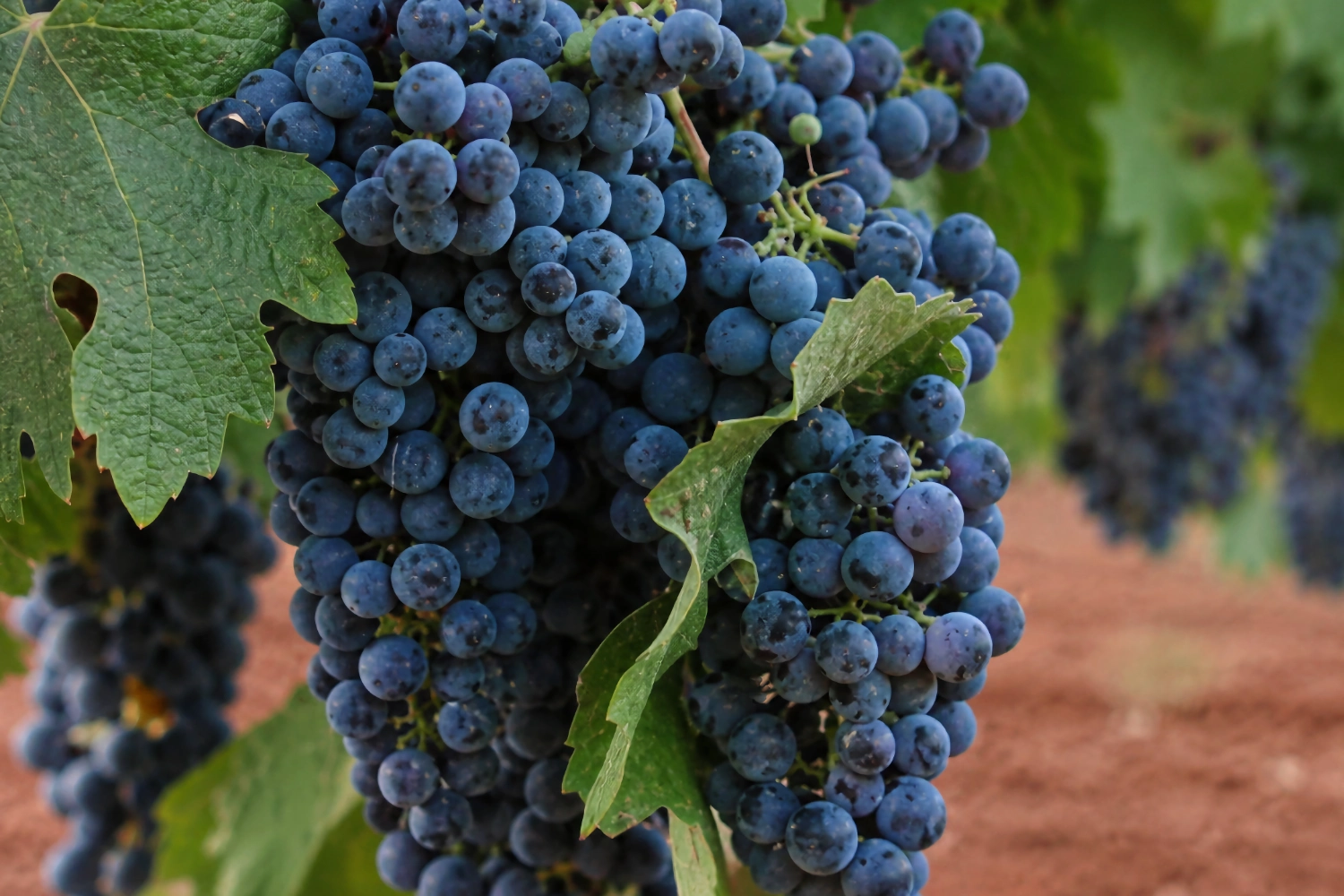
Texas shares some similarities with southern France and inland Spain, and varieties such as Mourvèdre, Tempranillo, and Viognier may feel at home here. But Texas is not an imitation of somewhere else. Its wines reflect distinct places and conditions, along with a growing understanding of what works where.
What Grows Together Goes Together
If wine is shaped by place, food is too. Regional wines often feel especially at home with the foods around them.
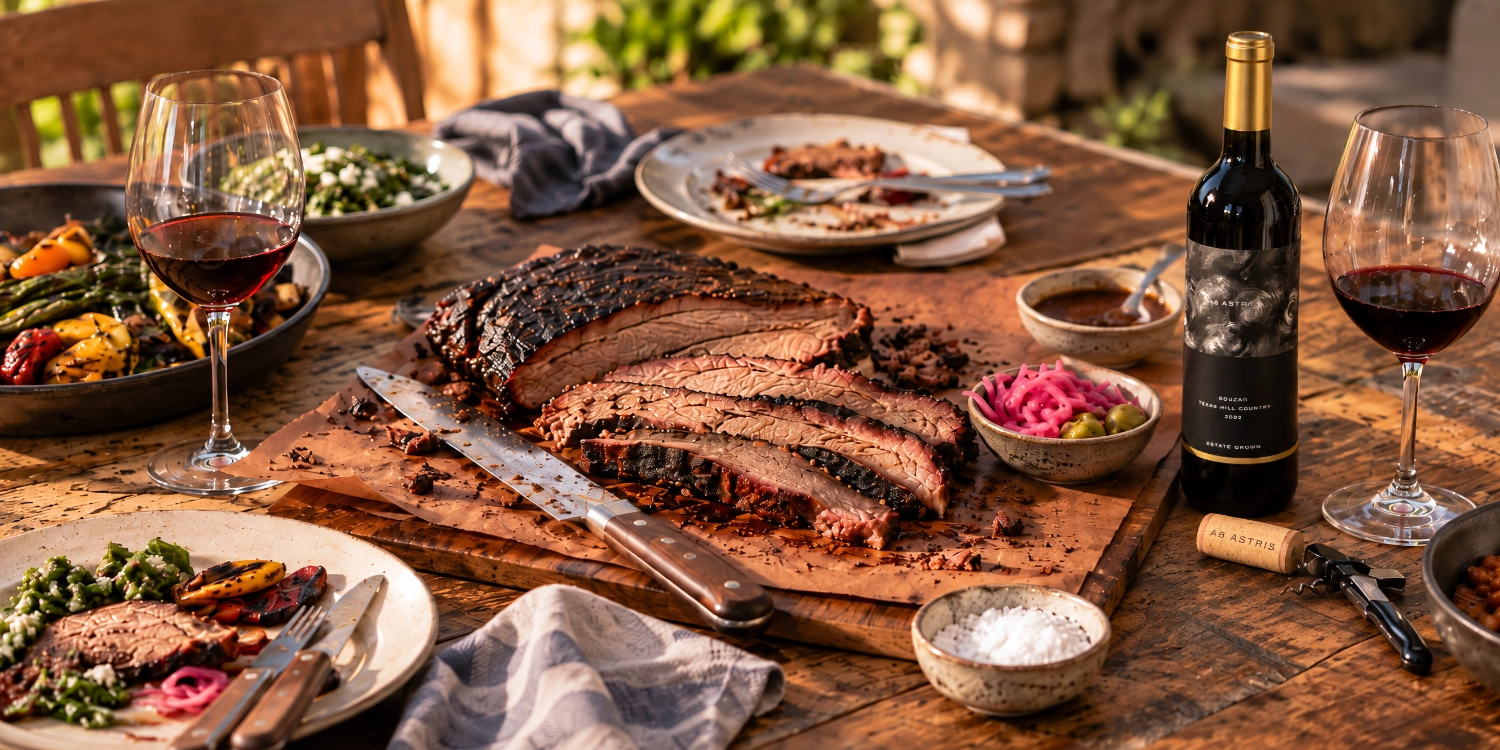
Texas wine belongs naturally at a Texas table—alongside smoked meats, venison and chile, Gulf Coast seafood, Tex-Mex, and fire-roasted vegetables. The connection is about more than matching flavors. Wine and food can reflect the same climate, traditions, and sense of place.
Try a Tempranillo with smoked brisket. A High Plains Picpoul with shrimp tacos. A Hill Country Mourvèdre with mesquite-grilled quail. These aren’t rules. They’re examples of how well Texas wine can work with foods we already love.
Local Wine: Sustaining Place and Community
Drinking local is about more than geography. Choosing wine made from Texas-grown grapes supports the growers, vineyard workers, and winemakers who are discovering what works in Texas vineyards and cellars. It can also shorten one part of the supply chain: transportation. That alone doesn’t determine a wine’s environmental footprint, but distance traveled is part of the equation.
For growers, working in Texas means making choices around heat, water, soils, and variety selection that may differ from those made in some other wine regions. Mediterranean and Iberian varieties have become increasingly important not because they offer an easy answer, but because many show promise in the conditions Texas growers actually face.
Sustainability here is less about a single practice than about adaptation—finding better ways to grow grapes, use resources, and make wines that fit the place. Supporting Texas wine helps move that work forward.
Texas Wine, Right Now
For all the talk of quality, place, pairing, and adaptation, there is also something simpler: this is an exciting moment for Texas wine. The wines reflect creativity, resilience, bold experimentation, and quiet craftsmanship—qualities of a region defining itself.
We are quick to celebrate Texas barbecue, music, football, and landscapes. Wine deserves a place in that conversation not simply because it is from Texas, but because it has earned one.
If you haven’t explored Texas wine lately—or if you’ve only scratched the surface—visit a tasting room. Talk to a winemaker. Walk the vineyard rows. Open a bottle with friends.
This isn’t about regional loyalty for its own sake. It’s about recognizing and participating in something real, something remarkable, and worth experiencing as it unfolds.
In the end, the strongest case for Texas wine is the wine itself.