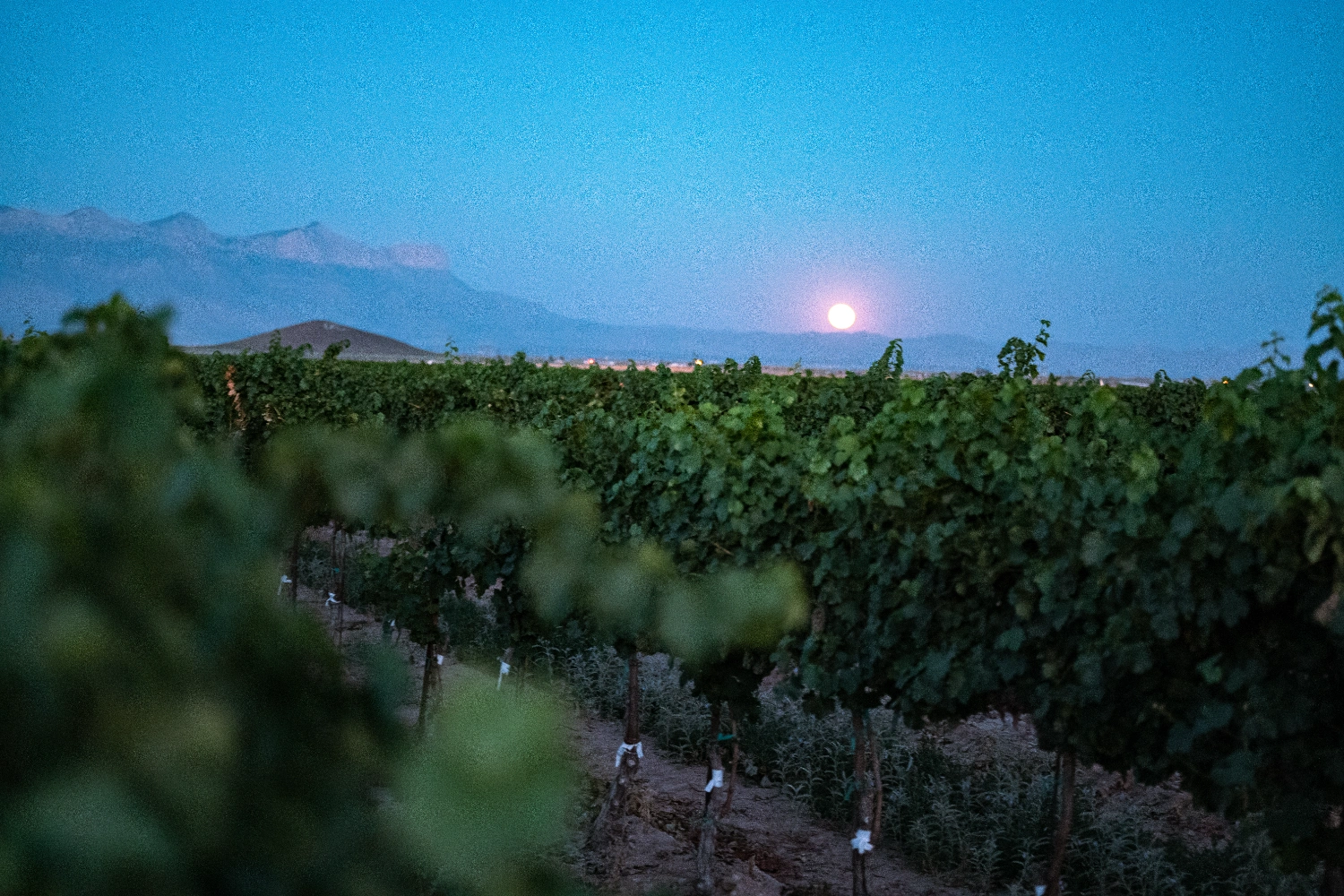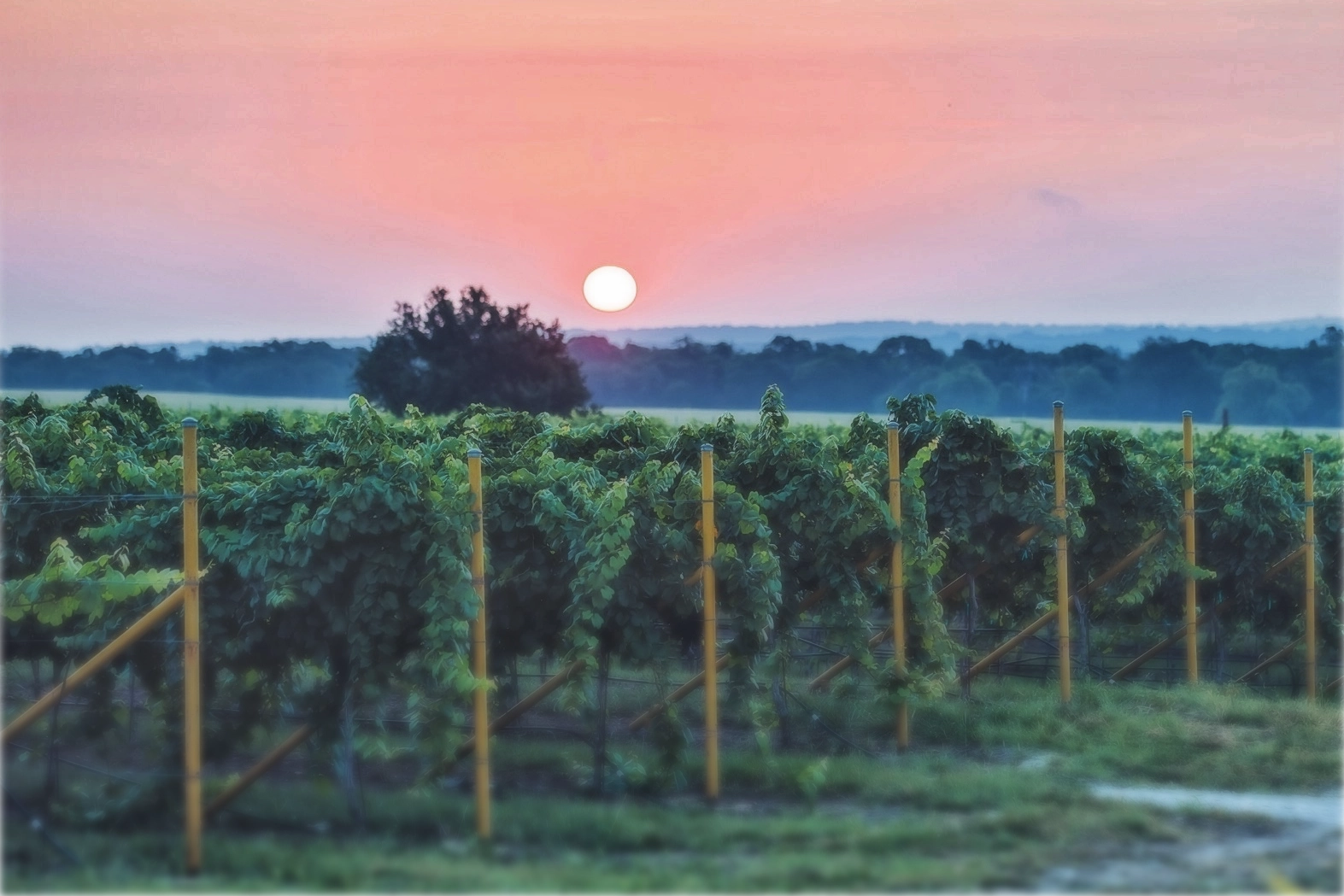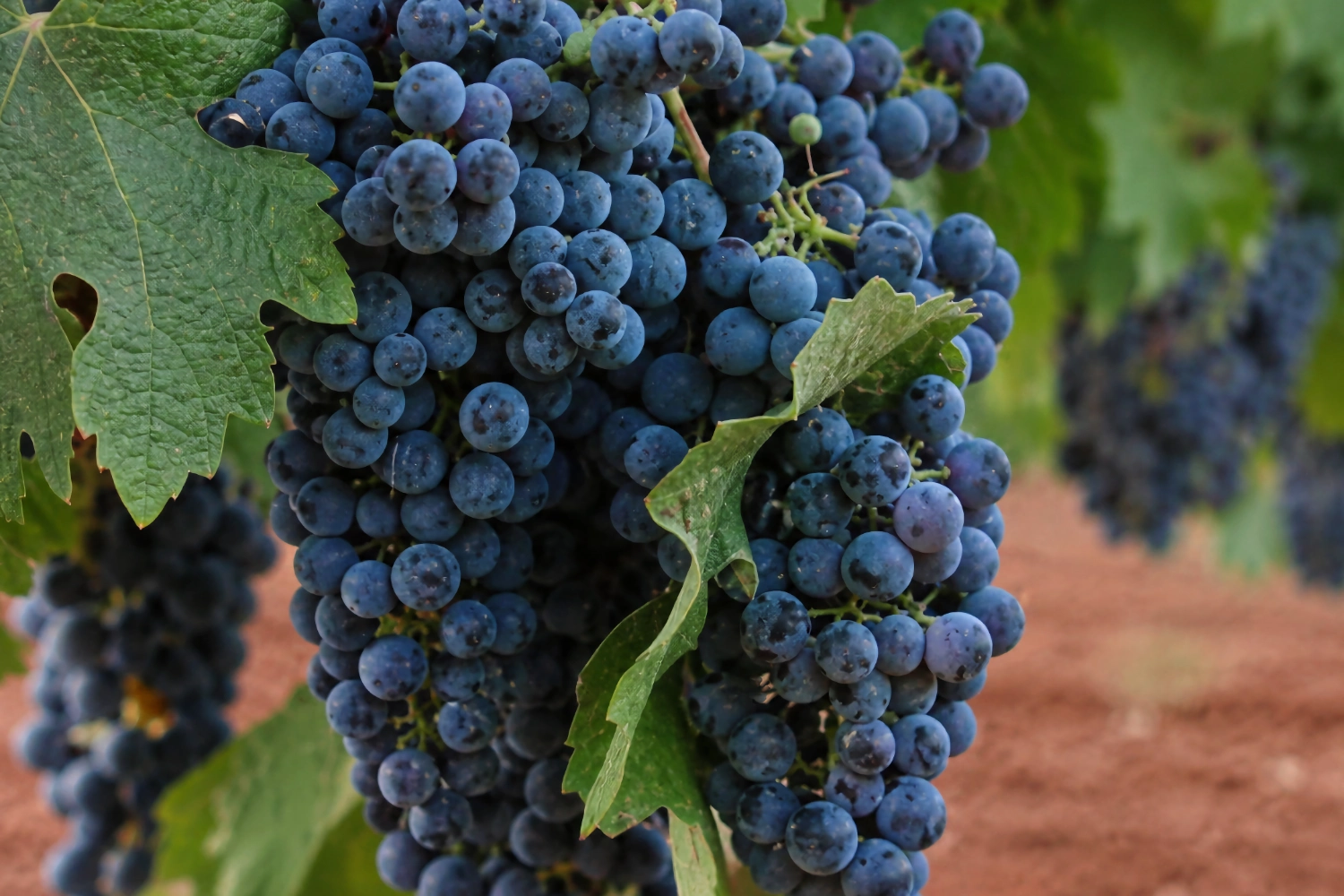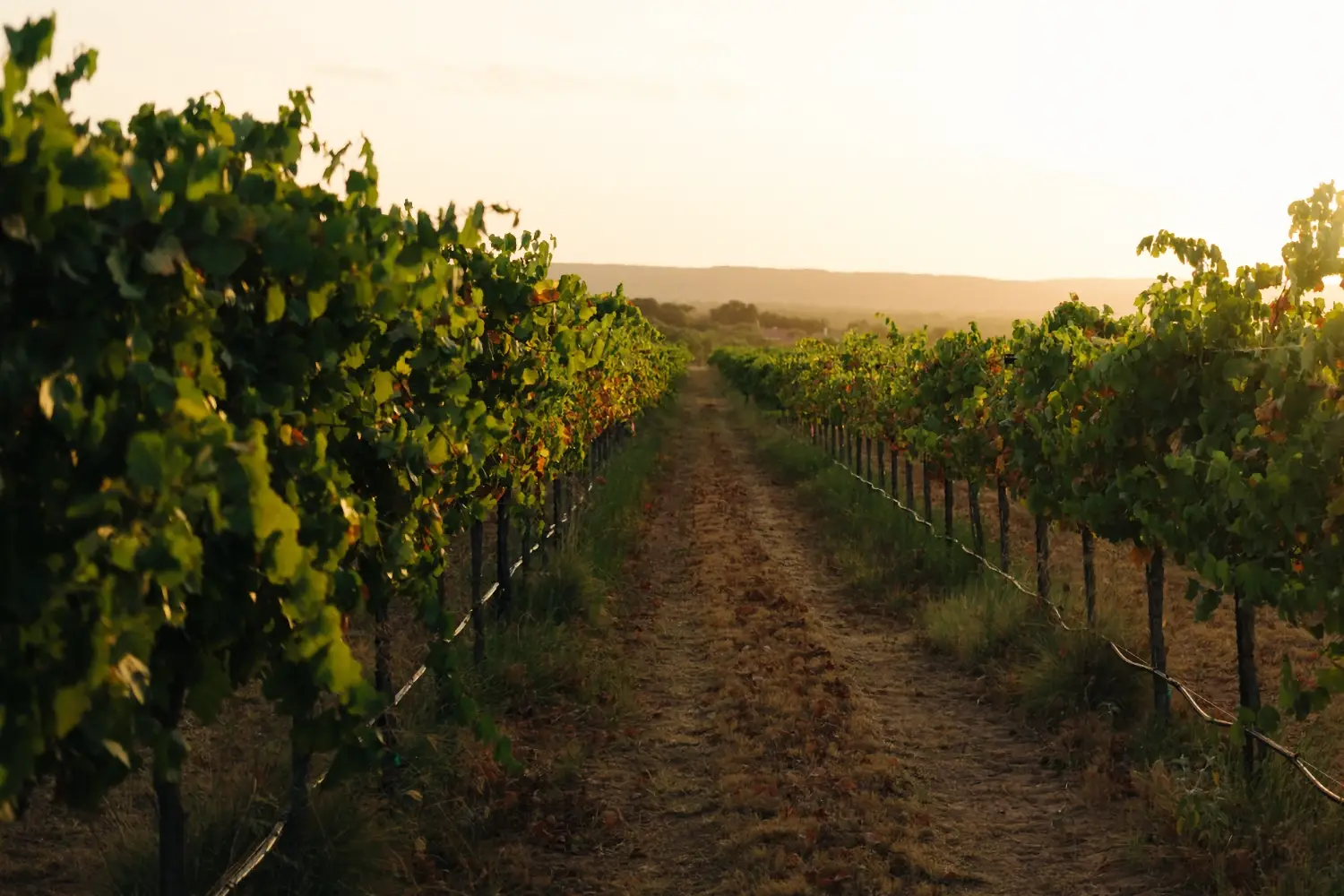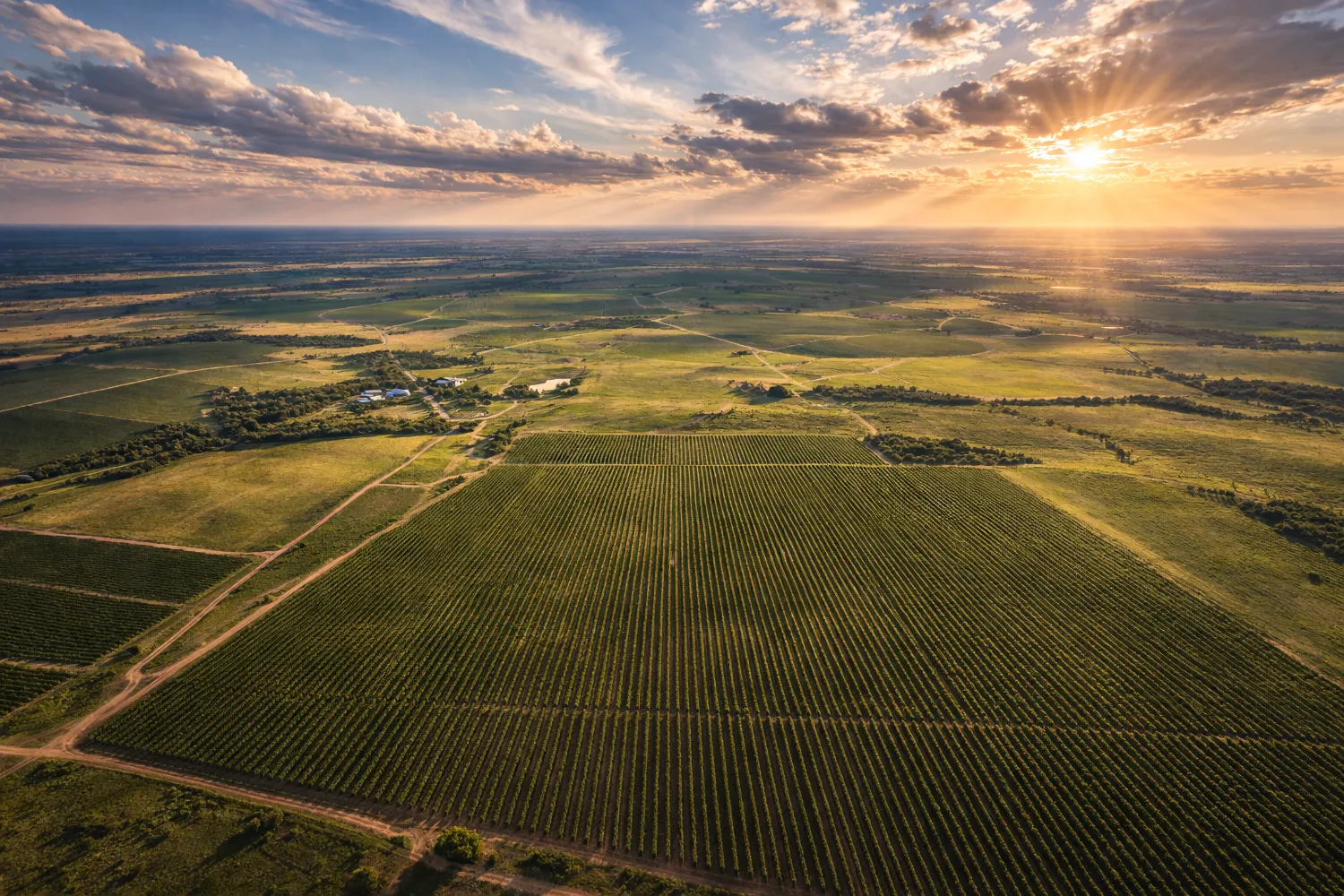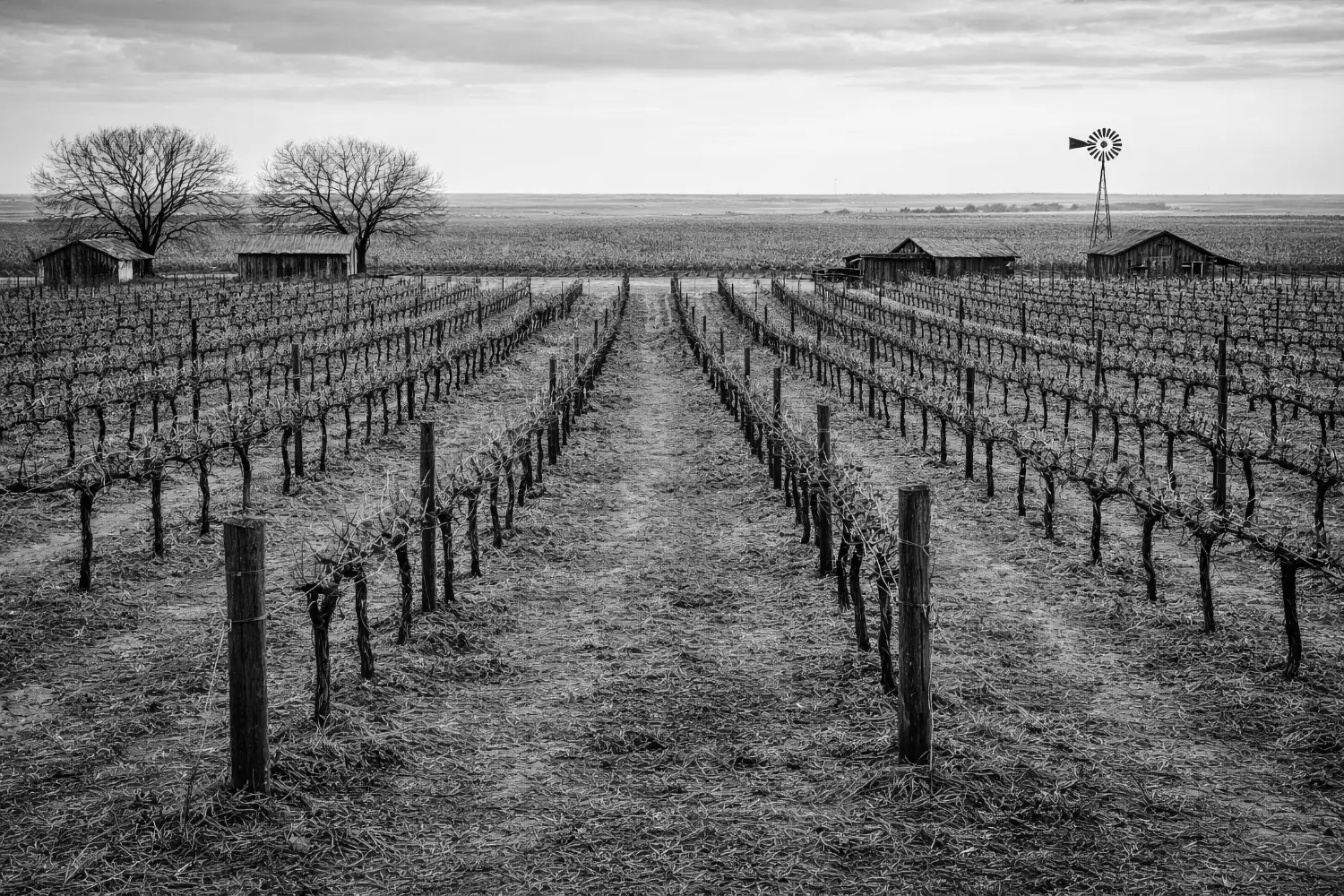
When harvest ends, the vineyard doesn’t rest. It simply changes its posture. In winter, pruning begins. And winter pruning in Texas vineyards is among the most consequential moments in the vineyard calendar.
Pruning determines the number and placement of buds that will form shoots in the coming growing season. Those decisions shape canopy density, airflow, and ultimately the balance of the vine. Make the wrong cuts, or make them too hastily, and the consequences can echo for years. There is no meaningful reset once the season begins. The vine remembers.
In Texas, this work is unfolding now. At the Hill Country Wine Symposium in mid-January, I asked Mike Nelson (Ab Astris Winery) when they would begin pruning. His answer was simple: they were waiting. When I asked John Rivenburg (Kerrville Hills Winery and Rivenburgh Wine) if everyone was waiting, he said they should be. An unseasonably warm winter complicates the decision. Pruning too early carries real risks. Sometimes patience is the work.
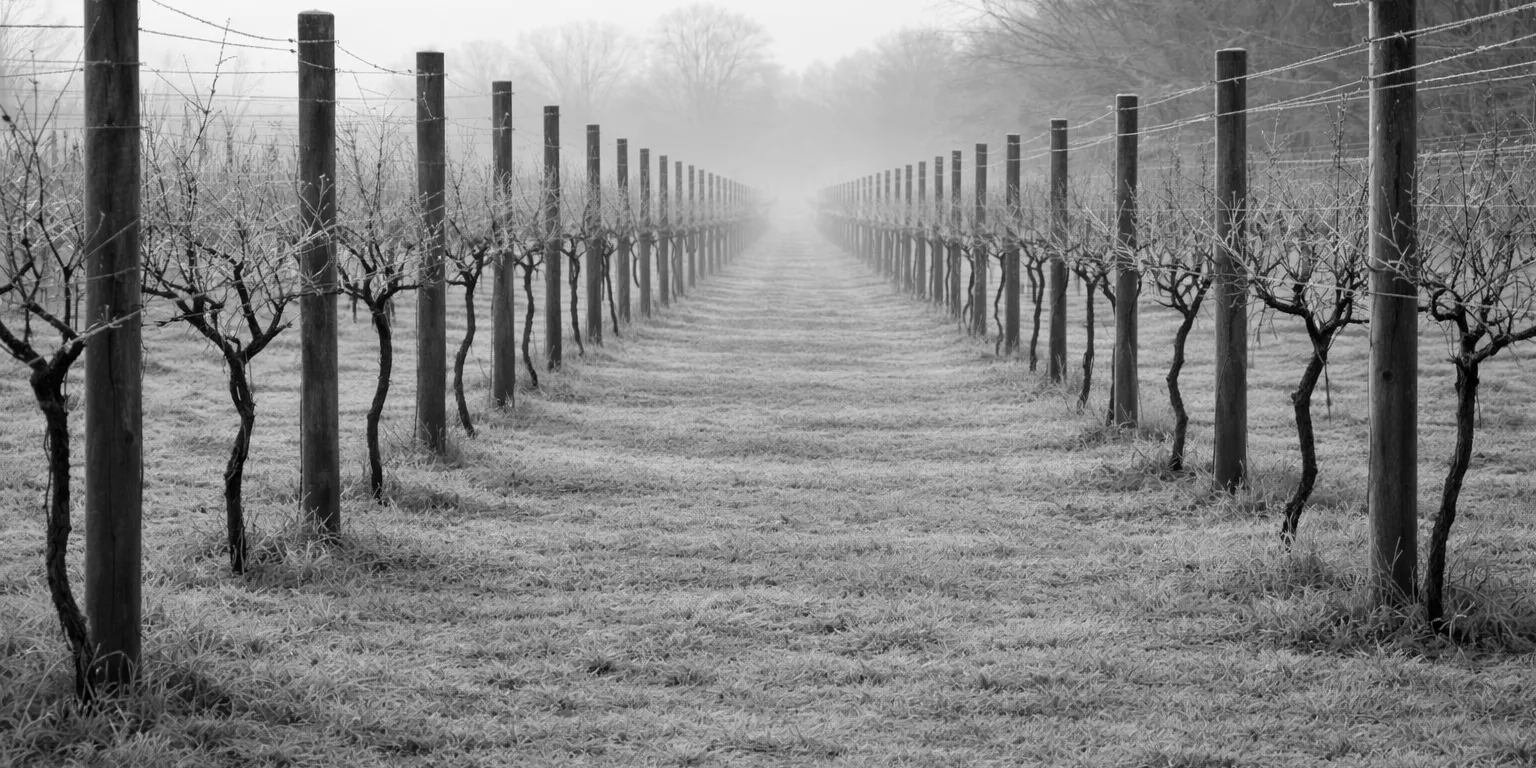
Thankfully, freezing temperatures did arrive — a reminder that timing matters as much as technique. That timing shifts slightly across Texas, from the High Plains to the Hill Country to North and East Texas, but the underlying challenge is shared: deciding when to act, and when not to.
Let me be clear about my credentials here. I’ve never pruned a vine. Everything I know about pruning comes from books and conversations with growers — knowledge borrowed, not lived. But one thing has become clear listening to those who do this work year after year: Texas regions are wrestling with the same questions faced by wine regions around the world — from Bordeaux and Rioja to Tuscany, Napa Valley, and parts of Australia. Warm winters, delayed dormancy, and the risks of getting it wrong are not uniquely Texan problems. They are viticultural ones.
Something else that strikes me is how this moment in the vineyard mirrors human experience. Have you ever felt “cut off,” only to discover a more beneficial way forward? In vineyards — as in life — what appears limiting in the moment may be the very thing that creates balance, resilience, and the conditions for something better to emerge.
While harvest draws celebration, pruning happens quietly. It’s physical, meticulous, and largely unseen. Thousands of small, deliberate decisions are made by hand, often in cold, gray conditions, with no immediate reward. Yet without this work, there is no meaningful harvest to celebrate.