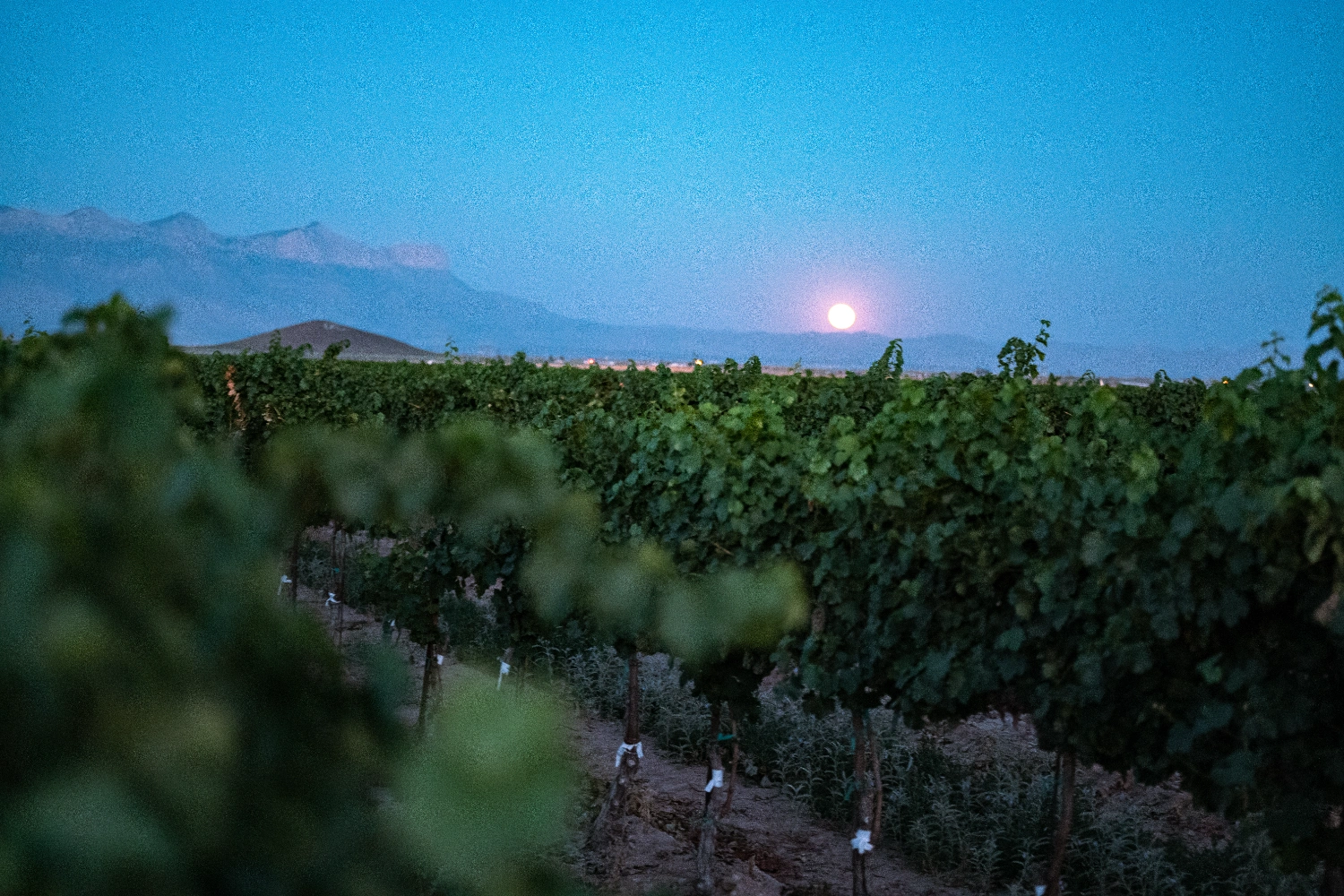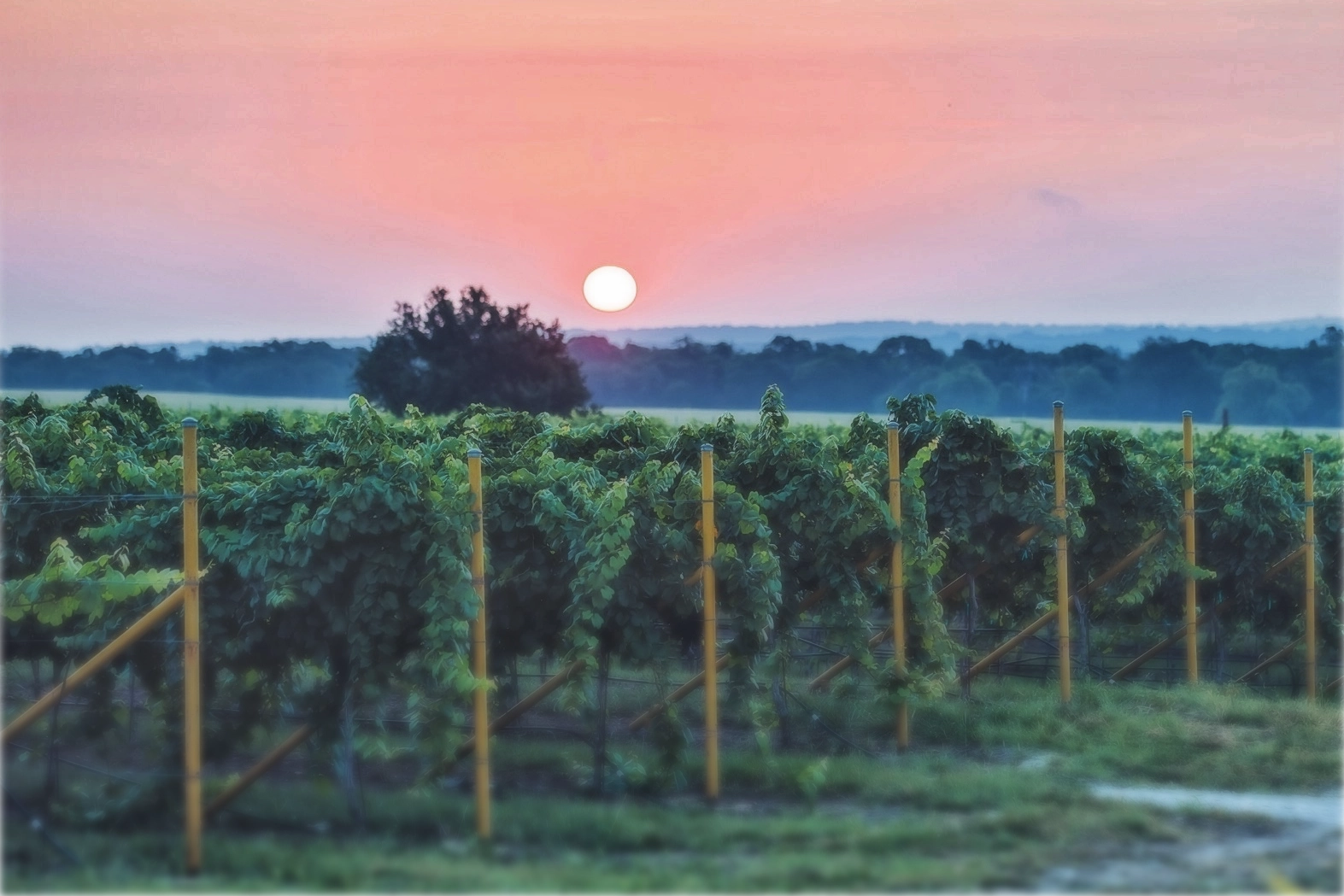
My visit to Bordeaux felt less like a trip and more like a pilgrimage.
Walking the gravel paths of Margaux, standing among the pale limestone cellars of Pessac-Léognan, and climbing the narrow streets into Saint-Émilion, the sense of history was immediate and physical. Cool stone walls, worn thresholds, and vineyards planted long before modern conveniences made one thing unmistakable: this is a region shaped by time. Not just decades, but centuries of working with the same questions—how to respond to the season, how to refine judgment, how to improve without losing identity.
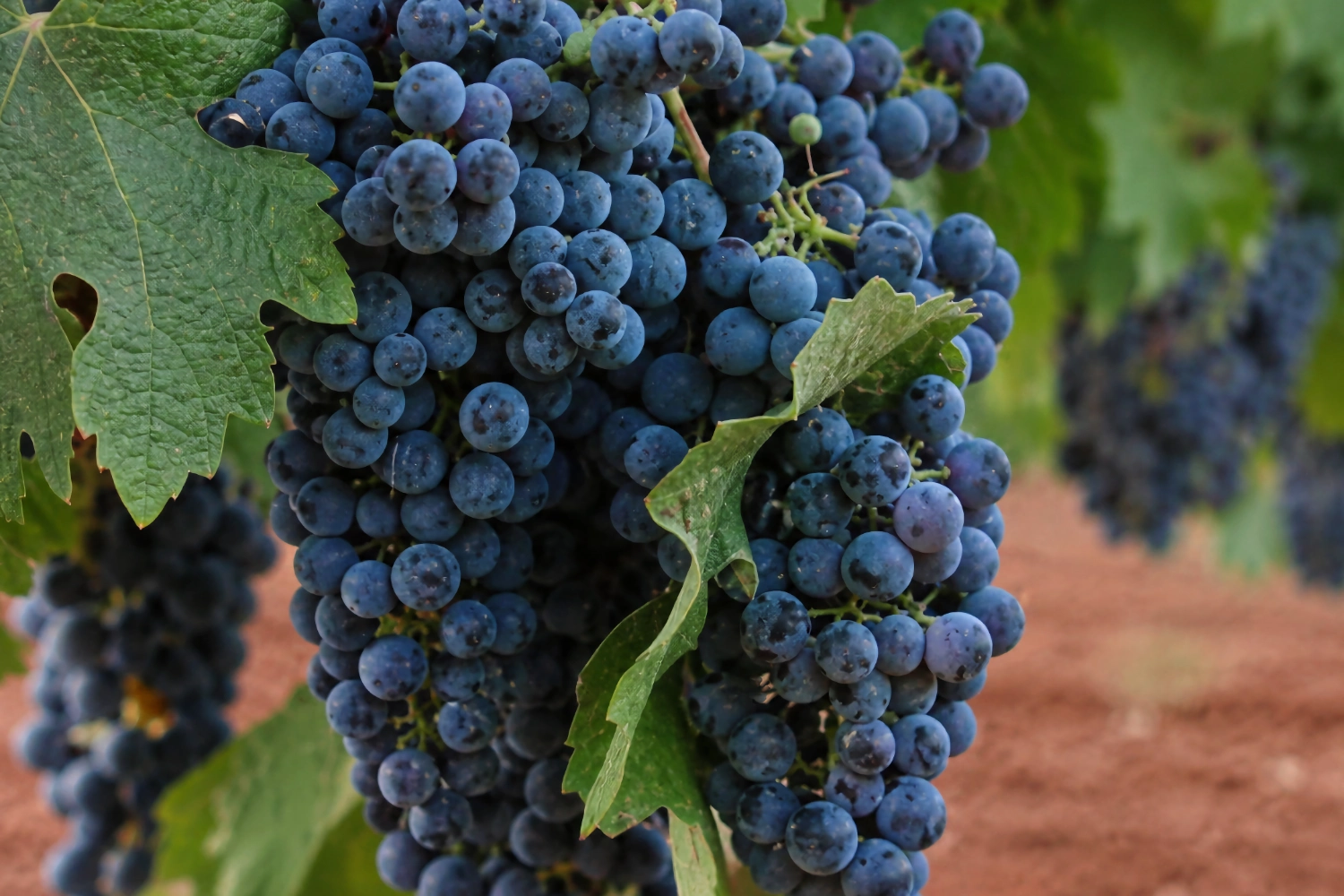
What struck me most was not reverence for tradition, but clarity of purpose. Bordeaux’s greatness was never built on predictable conditions or rigid formulas. It was built on variation—on accepting that no two vintages are alike and learning, over generations, how to respond thoughtfully. Blending emerged not as a compromise, but as a discipline. Cabernet Sauvignon and Merlot formed the foundation because they offered structure, balance, and resilience across an ever-changing set of circumstances.

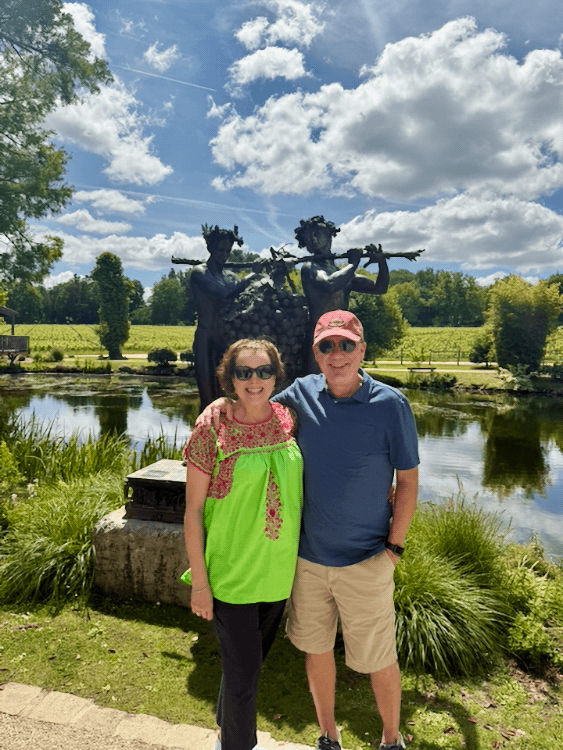

That experience stayed with me when I returned home to Texas.
Texas, too, is defined by vintage variation. Seasons can be generous or unforgiving—sometimes both in the same year. And like Bordeaux, Texas has gravitated toward varieties that reward patience and judgment. Cabernet Sauvignon and Merlot are now among the most widely planted grape varieties in the state, not by accident, but because they respond well to site selection and lend themselves naturally to blending.
The connection isn’t superficial. It’s philosophical.
Both regions use blending to shape wines that reflect the year rather than fight it. Bordeaux arrived at that understanding over centuries. Texas Bordeaux blends are arriving at it through intention and experience.
Two Wines That Tell the Story: Left Bank Structure and Right Bank Grace—Texas Spirit
Many Texas winemakers produce Bordeaux style blends. Here are two examples that show how naturally this philosophy has taken hold in Texas, each leaning toward a different bank of Bordeaux while remaining unmistakably Texan in origin.
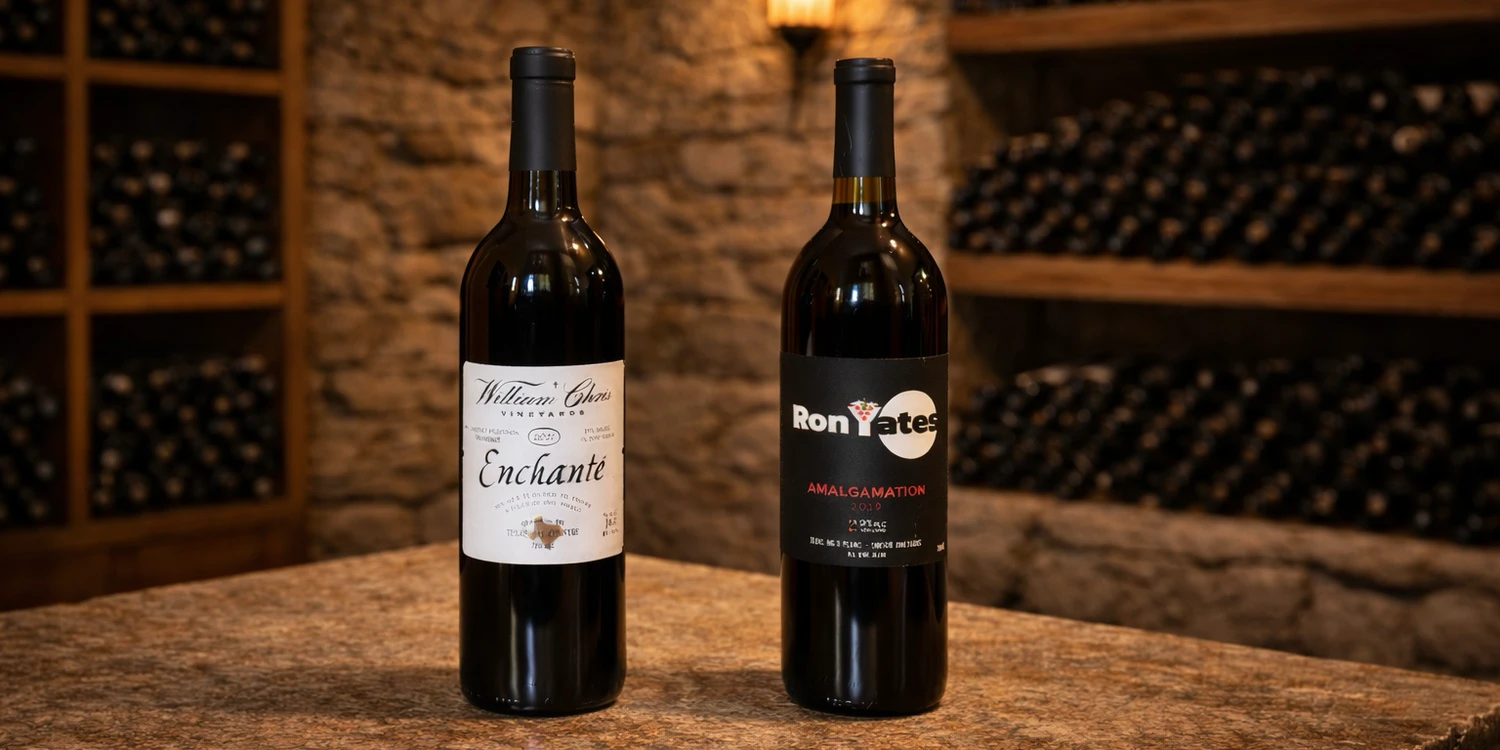
William Chris Vineyards – 2021 Enchanté
A Cabernet-driven, Left Bank–leaning blend from the Texas Hill Country
- Blend: 46% Cabernet Sauvignon, 34% Malbec, 16% Merlot, 4% Petit Verdot
- Vineyards: Tallent, Loyal Valley, Fovel Family, Blackmon Ranch, Uplift
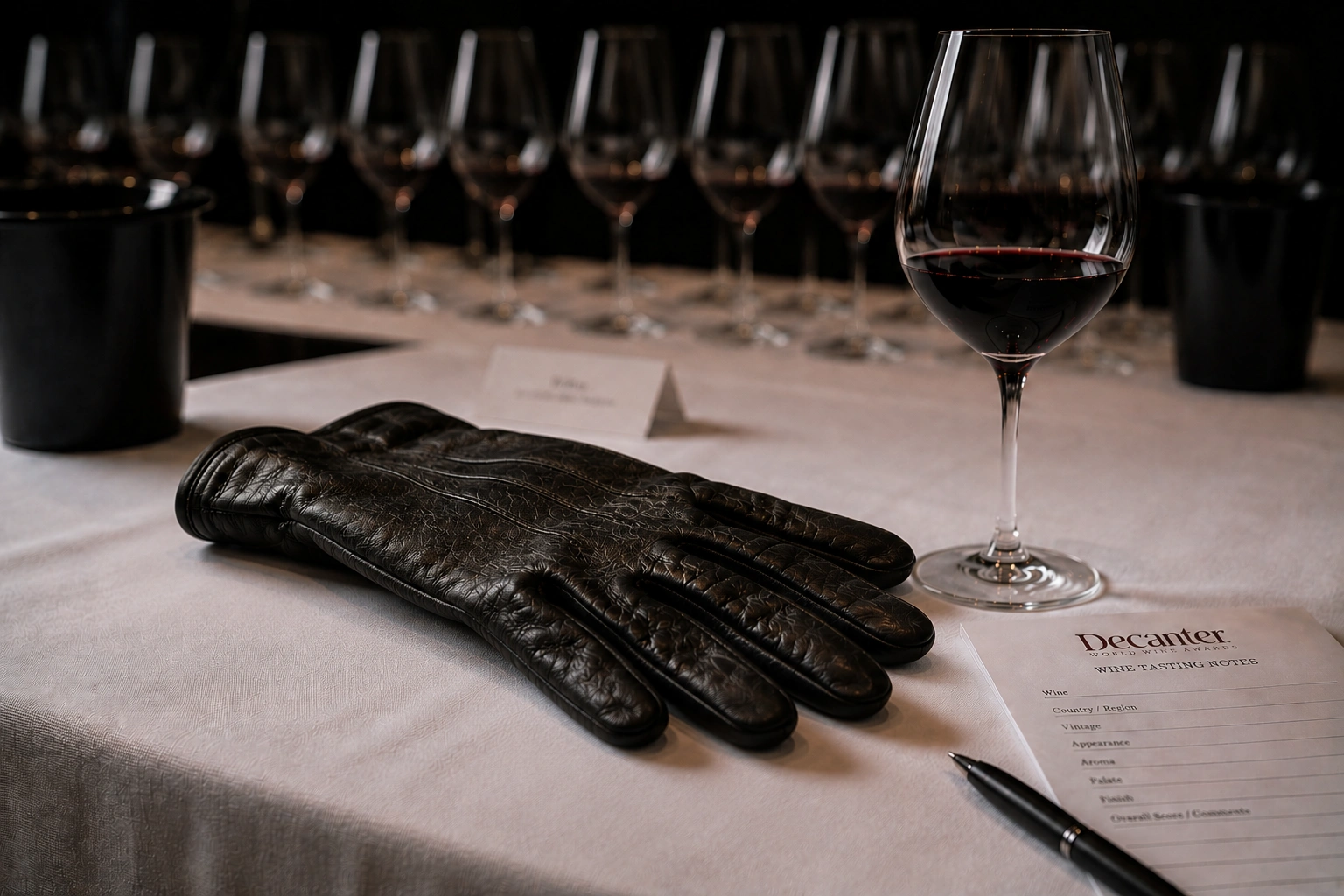
- Recognitions include: 94 points (Decanter), 92 points (James Suckling)
Black cherry and blackberry fruit, supported by medium plus velvety tannins. Violet, cedar, cocoa, baking spice, and a subtle earthy note add dimension, leading into a long, savory finish.
Ron Yates Vineyards – 2019 Amalgamation
A Merlot-driven blend with Right Bank spirit from the Texas High Plains
- Blend: 57% Merlot, 38% Cabernet Sauvignon, 5% Petit Verdot
- Vineyard: Friesen Vineyards
- Recognitions include: 93 points (James Suckling), Double Gold – San Francisco International Wine Competition (2024)
Concentrated black-fruit, with lush soft tannins. Oak is integrated, contributing vanilla, cocoa, and sweet spice that give complexity without overwhelming the wine.
Both of these blends adjust from year to year, allowing the wine to remain balanced rather than constrained by a fixed formula.
The next time you’re in the Texas Hill Country, these are wines worth seeking out, the wineries are conveniently close enough to experience both in a single visit.
Texas Doing Bordeaux—On Its Own Terms
Bordeaux-style blends are made in wine regions across the world. They feel increasingly at home in Texas because the philosophy aligns with the landscape. Texas rewards producers who pay attention, who build wines deliberately, and who are willing to let each vintage guide the final shape of the blend.
What’s emerging is a distinctly Texas expression of the Bordeaux tradition—wines with structure and generosity, depth without excess, and a sense of confidence that comes from understanding both the land and the craft.