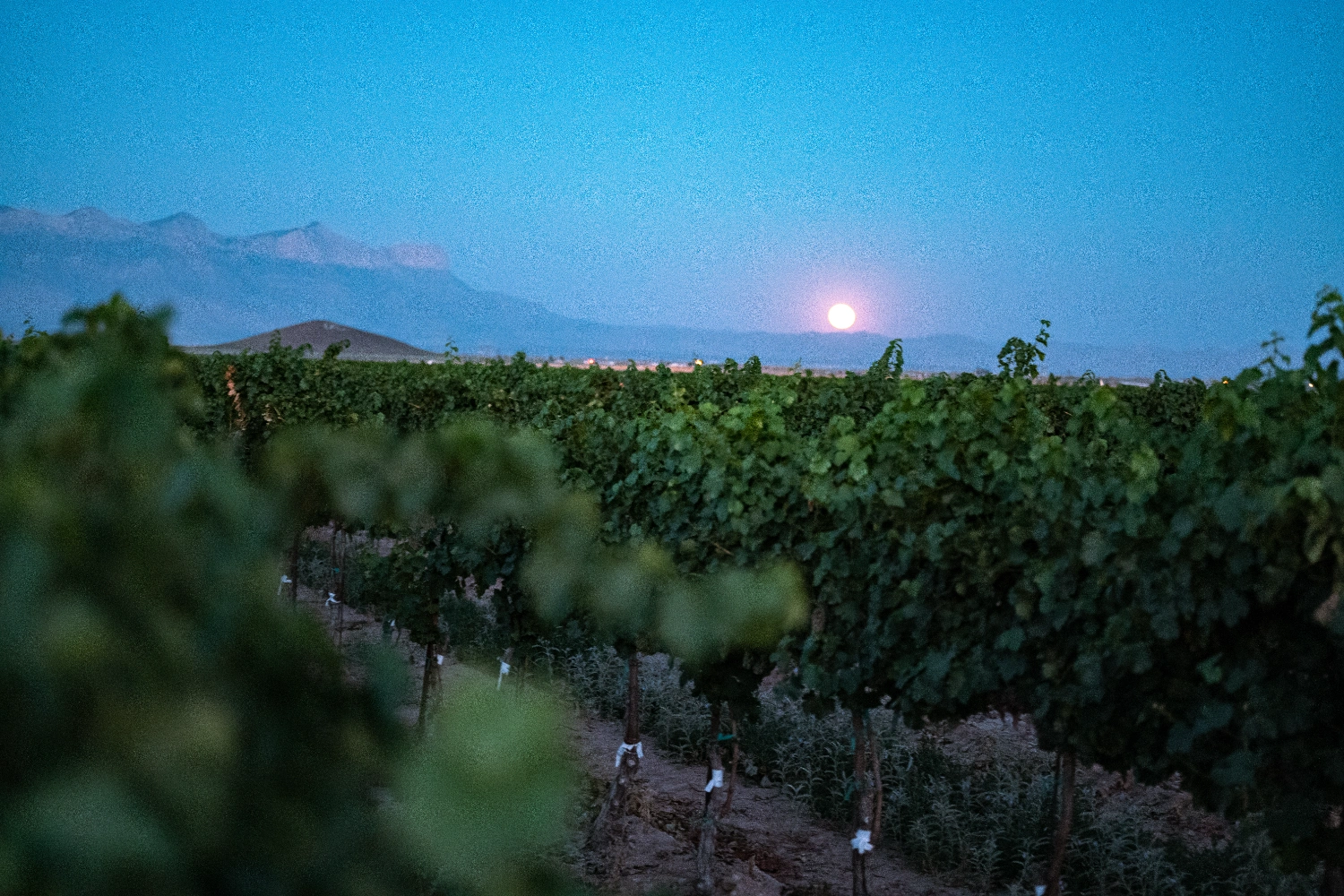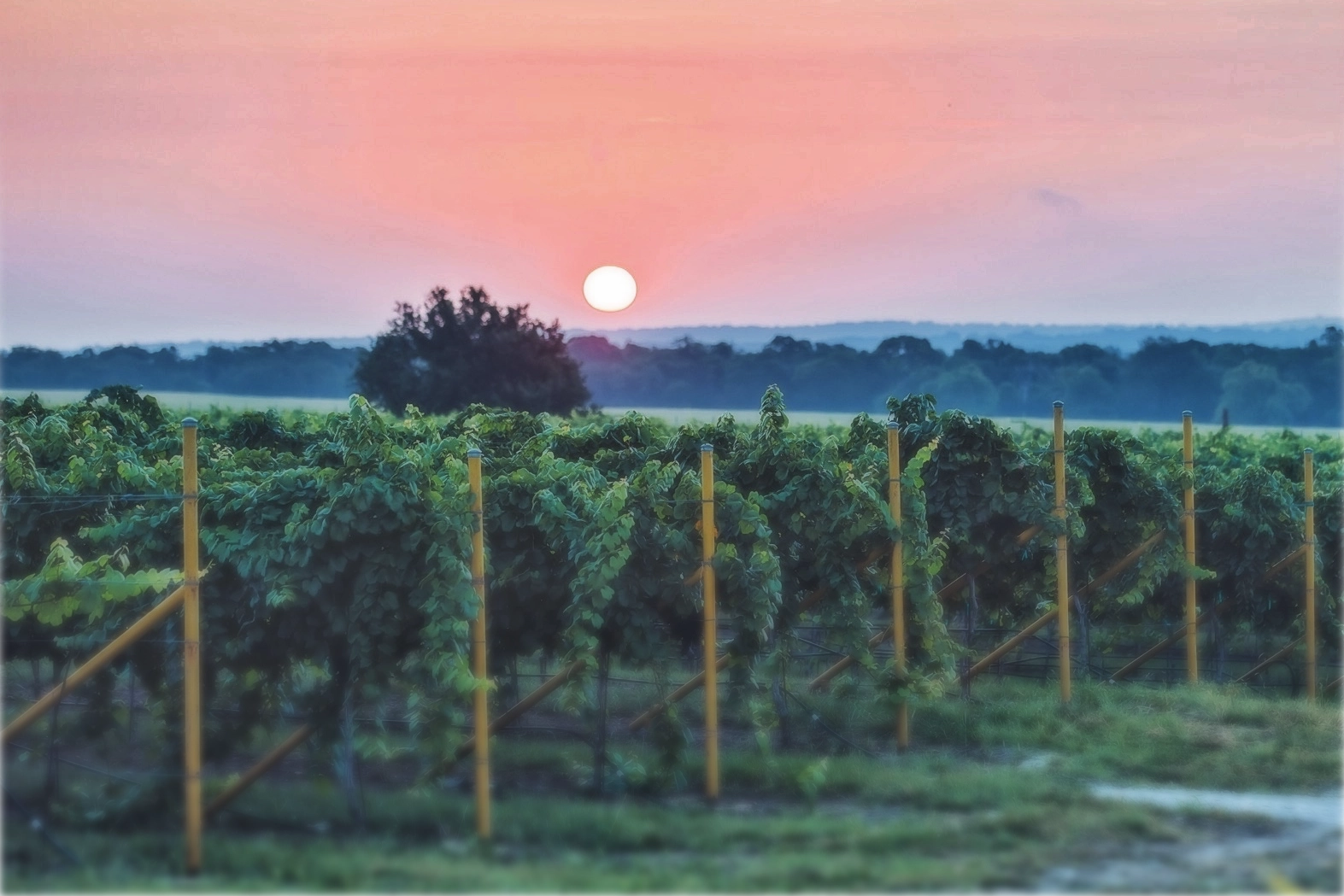
Drive west out of Dallas–Fort Worth long enough, and the land rises almost imperceptibly. The trees thin. The horizon widens. The sky seems to expand.
Then, suddenly, it happens.
The road climbs an escarpment, and you are on the Llano Estacado—a vast plateau stretching across West Texas and eastern New Mexico. From here, the land remains astonishingly flat, you’ve climbed from roughly 430 feet above sea level in Dallas to elevations approaching 3,000 and even 4,000 feet.
And quietly, almost invisibly, this changes everything.
Most of the world’s famous vineyards sit far lower.
The Texas High Plains rises above Napa Valley, Sonoma, and Washington’s Columbia Valley, and stands alongside the elevated vineyards of Mendoza.
Bordeaux rises only a few hundred feet above sea level. Burgundy’s slopes rarely exceed 1,300 feet. Even Napa Valley, framed by mountains, grows most of its vineyards below 2,600 feet. Sonoma, Tuscany, and Washington’s Columbia Valley all sit largely below the elevation of the Texas High Plains.
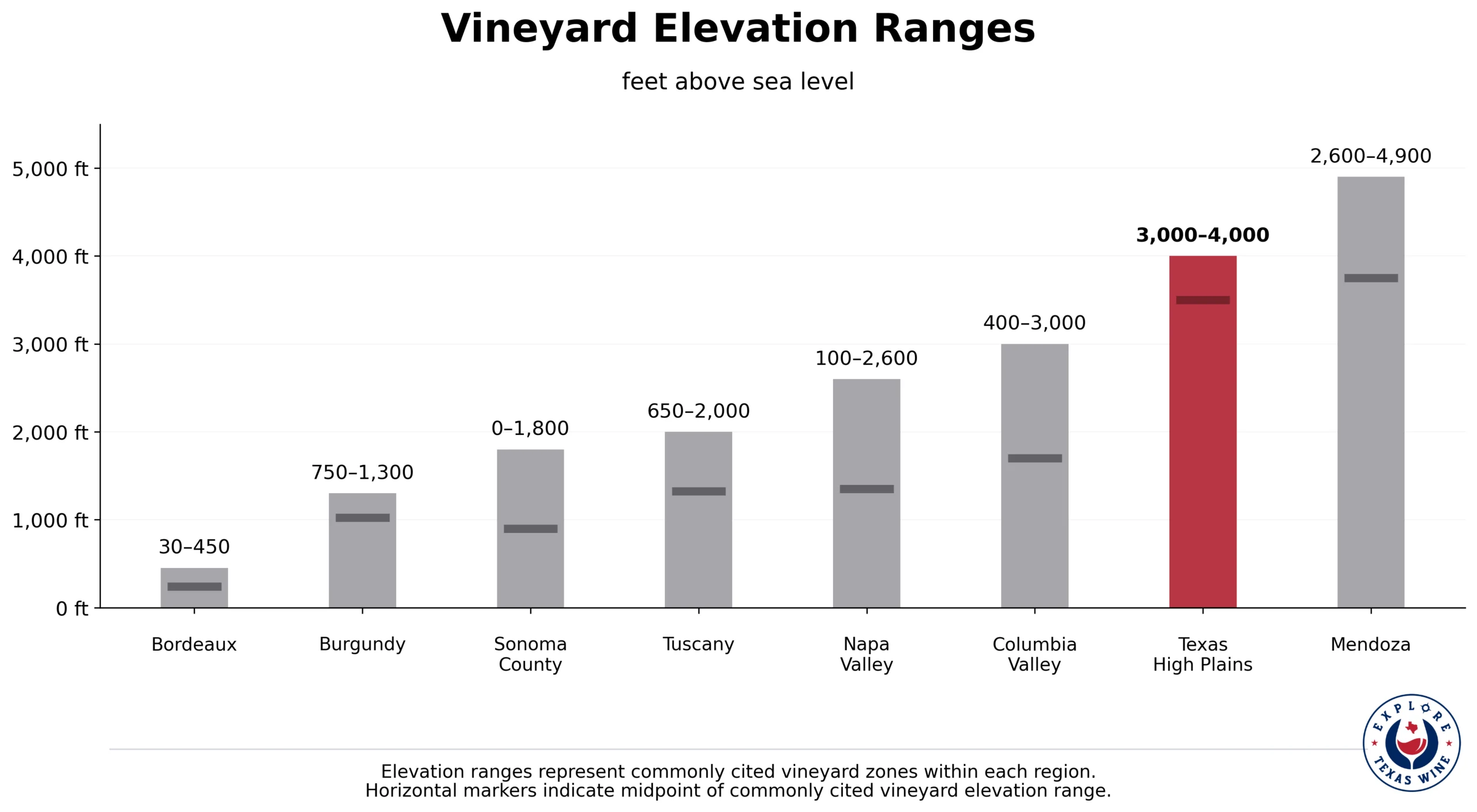
Only a handful of globally recognized regions consistently reach similar heights—most notably Mendoza, Argentina, where vineyards climb into the Andes.
There are vineyards higher still in remote corners of Tibet and extreme Andean valleys. But among the world’s major, commercially significant wine regions, the Texas High Plains stands quietly among the highest.
That elevation is not incidental.
It is the cornerstone of the region’s quality.
Elevation Moderates the Texas Heat
Texas is warm. That’s a fact.
But elevation changes how the heat behaves.
At 3,000 to 4,000 feet, growing season temperatures are meaningfully cooler than lower elevations across the state. More importantly, altitude creates dramatic day–night temperature swings, often 25 to 30°F.
Warm days allow grapes to ripen fully—developing flavor, tannin, and color.
Cool nights slow respiration inside the berry, preserving acidity and extending hang time.
That diurnal shift is critical.
Without it, grapes accumulate sugar too quickly, producing wines that feel heavy or flat. With it, fruit reaches full physiological maturity while maintaining freshness and structural precision.
In cooler European regions like Burgundy, added elevation can create ripening challenges. On the Texas High Plains, elevation does the opposite. It moderates intensity and restores balance.
Of course, elevation alone does not determine wine quality, but here it shapes the conditions that make balance possible.
Sunlight Shapes the Wine
Elevation changes not only temperature—but light.
At higher altitudes, there is less atmosphere above the vineyard. With fewer particles to scatter incoming radiation, more sunlight—and more ultraviolet light—reaches the vine.
Grapevines rely on light to drive photosynthesis and ripening. In many of the world’s classic regions, marginal sunlight can be the limiting factor. Growers worry about whether fruit will receive enough exposure to develop fully.
On the Texas High Plains, that constraint rarely exists.
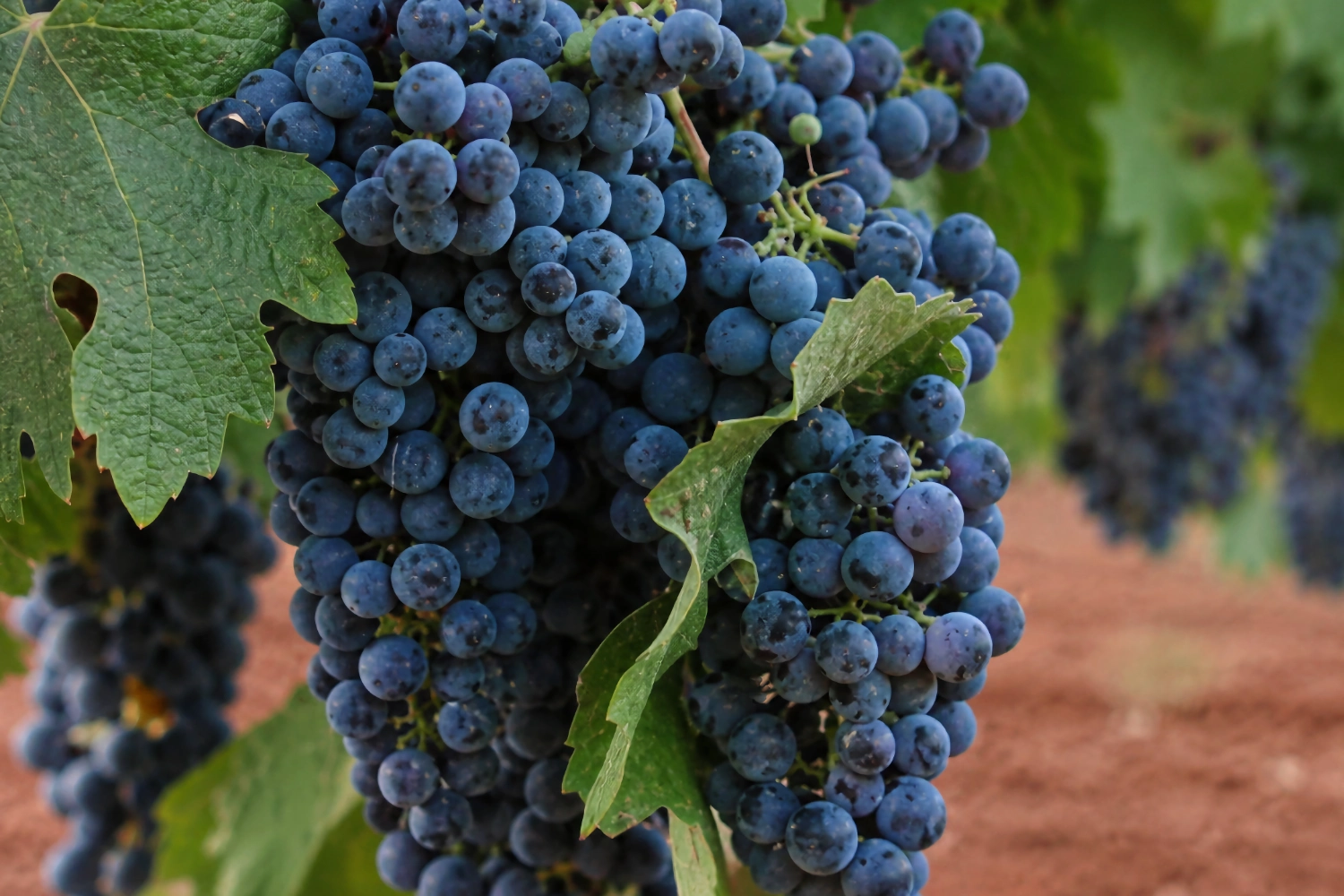
Instead, vines respond to abundant light by thickening their skins to protect the seeds within. Those skins contain the compounds responsible for color, tannin, and much of wine’s structural backbone—anthocyanins, flavonols, and other phenolics.
The result is fruit with depth, resilience, and concentration.
Here, light is not scarce.
It is defining.
High, Dry, and Wind-Swept
The High Plains is often described simply: high, dry, and windy.
Annual rainfall averages roughly 18 inches. Steady winds—often 15 to 20 miles per hour—move across the plateau. Humidity is low. The sky is rarely obscured.
These conditions matter.
Dry air and constant movement reduce fungal disease pressure compared with more humid wine regions. Vineyard canopies dry quickly after rain. Growers can maintain cleaner fruit with greater control.
The dryness also encourages smaller berries with thicker skins, increasing the skin-to-juice ratio and reinforcing concentration, structure, and color.
This combination—elevation, aridity, wind—is shared by several respected high-altitude regions around the world. It is not an accident that places like Mendoza or Spain’s Ribera del Duero also rely on altitude and dryness to balance warmth.
The High Plains is in that company.
A Plateau Built for Vineyards
The dramatic geography of the High Plains is more than scenery—it is geology at work.
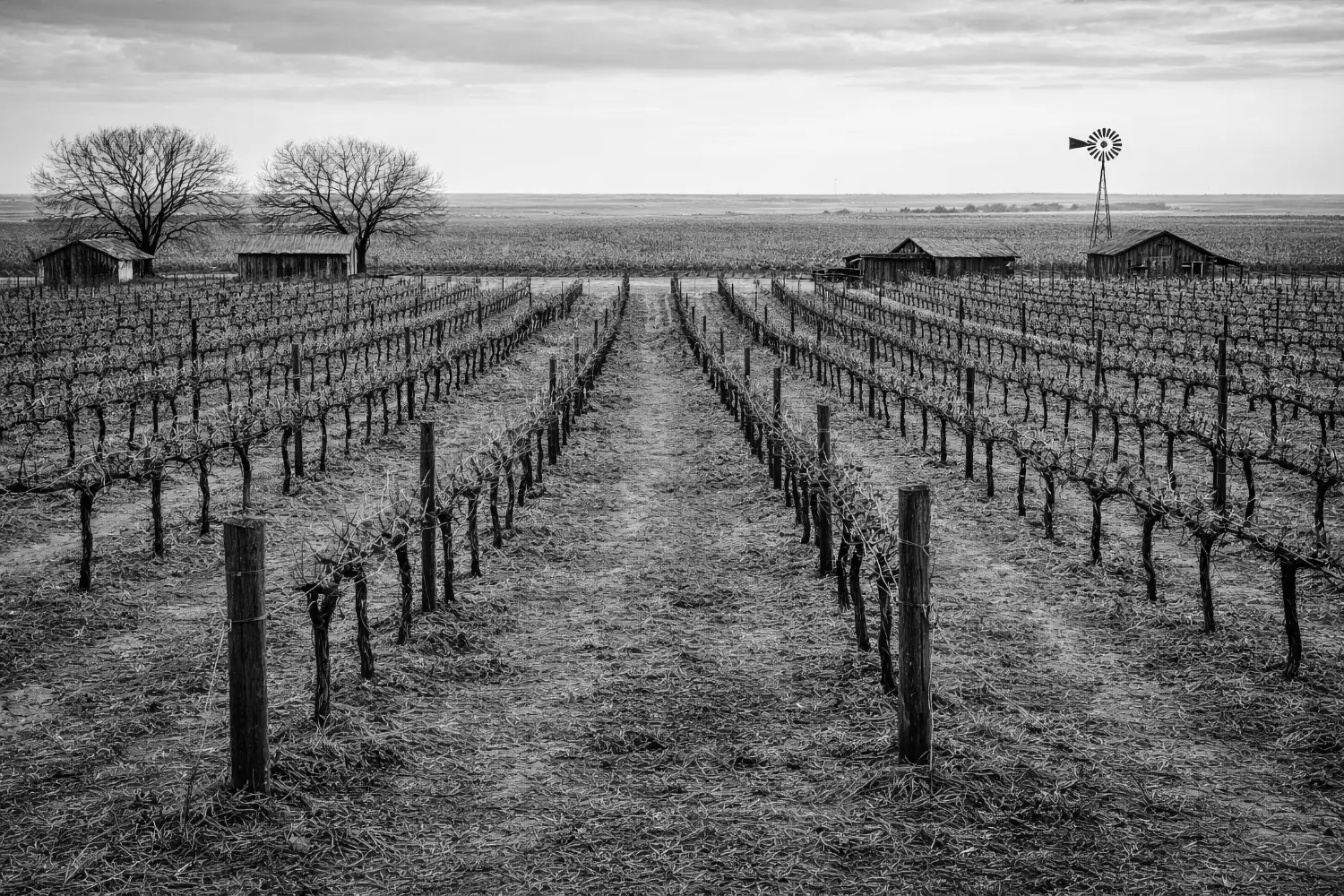
Through the ages, uplift and erosion created the escarpment that lifts the Llano Estacado above the surrounding plains. What remains is an immense elevated tableland, startlingly flat, stretching beneath a vast sky.
Beneath the surface lie sandy loam soils rich in caliche, a calcium-based layer common across the plateau.
These soils drain exceptionally well.
Drainage is one of the quiet foundations of grape quality. Vines that struggle slightly—forced to push roots deeper in search of water—produce fewer, smaller berries. Excess vigor is restrained. Flavor compounds concentrate.
Caliche limits overgrowth. Sand improves permeability. The result is natural balance underground that mirrors the balance above.
Ripeness Without Excess
The High Plains receives what many regions envy: abundant growing season light and sufficient warmth to fully ripen Mediterranean and Iberian grape varieties.
Tempranillo. Mourvèdre. Tannat. Cabernet Franc.
These grapes require light and heat to develop character and tannin maturity. The plateau provides both.
But elevation prevents that warmth from becoming excess.
Cool nights preserve acidity. High‑elevation light thickens skins. Dry air reduces dilution. Soils encourage restraint.
The wines that emerge are not fragile. They are structured.
Reds show depth of color, firm yet ripe tannins, and fresher acidity than many expect from a “hot” state. Whites and rosés retain lift and aromatic clarity rather than soft, low‑acid warmth.
The result is ripeness aligned with balance.
A Cornerstone of Texas Wine
Today, more than 80 percent of Texas wine grapes are grown on this elevated plateau.
Most consumers never see it.
They visit tasting rooms in Fredericksburg. They dine in Austin. They read about Texas wine and imagine heat.
But the reality is altitude.
Altitude moderates temperature.
Altitude intensifies light.
Altitude lowers disease pressure.
Altitude shapes structure.
The Texas High Plains is not just high for Texas.
It is among the highest—and most quietly consequential—vineyard regions in the world.