Every four years, the Winter Olympics remind us what excellence looks like when preparation, place, and perseverance converge.
This winter, while the world watches athletes chase gold, I found myself thinking about something unfolding more quietly—but no less meaningfully—in the wine world. Across two of the nation’s most respected competitions, Texas wines delivered results—the kind of Texas wine awards that signal something deeper, a rising confidence, and a direction that feels unmistakably forward.
Two Competitions, One Signal
When I look for meaningful signals of progress in a wine region, I often return to the same touchstones: respected competitions, blind tasting, and consistency across different judging panels.
This season offered all three.
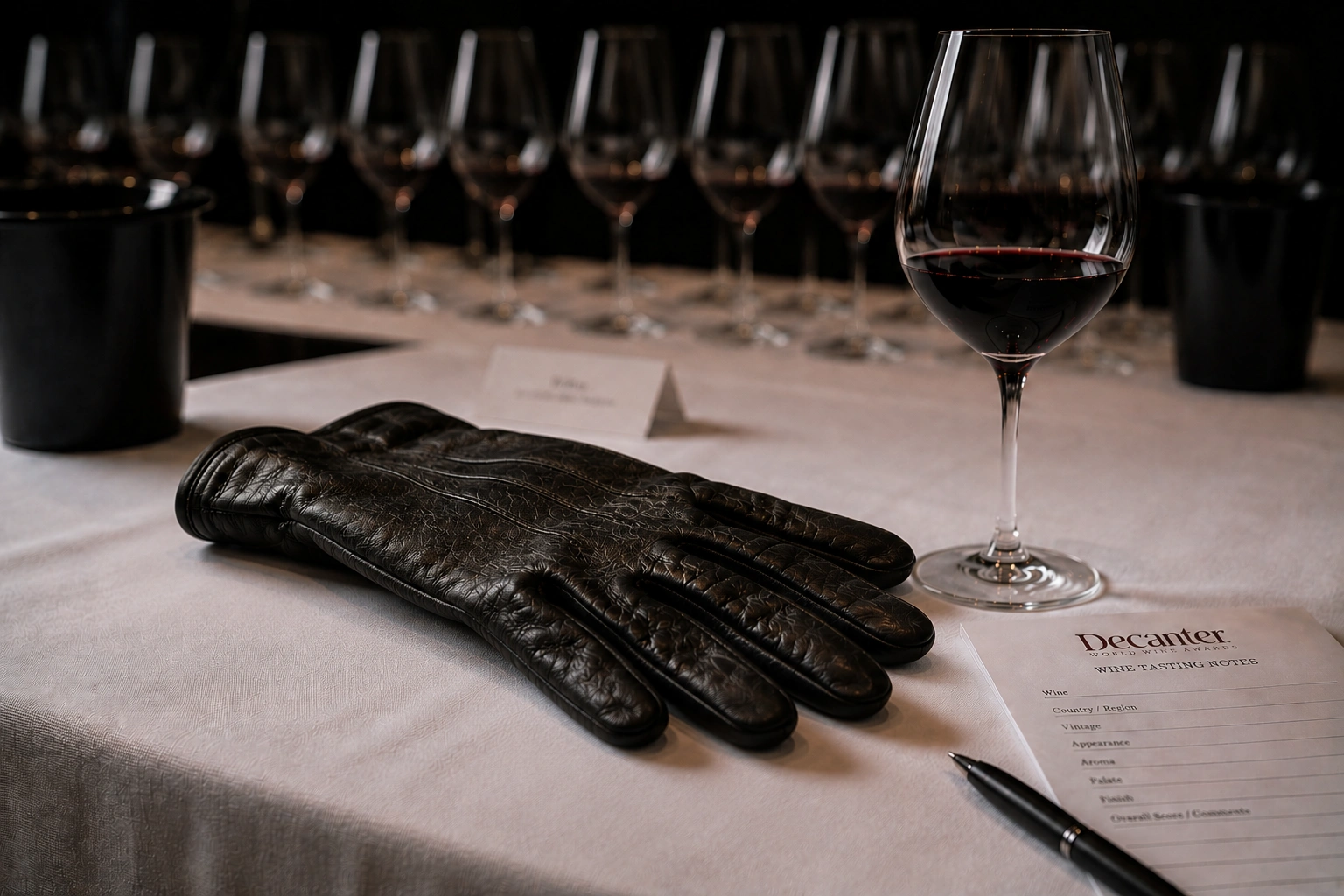
The San Francisco International Wine Competition, founded in 1980, remains one of the most respected judging arenas in the world. Its rigorous blind-tasting format removes label, reputation, and price from consideration, leaving only what is in the glass. Success here carries weight because it reflects credibility beyond regional familiarity.
The San Francisco Chronicle Wine Competition, by contrast, represents extraordinary national scale—the largest competition devoted to American wines. Thousands of entries are judged, again blind, making results here a powerful measure of both quality and depth across a portfolio.
Taken together, these two competitions provide a global lens and a national proving ground in the same season.
Exceptional Results Across the Field for Texas Wine Awards
As I studied this year’s results, several achievements stood out—not as isolated moments, but as signals of broader momentum.
Six Wines Earn Gold — in Both Competitions
Across both competitions, six Texas wines earned gold or better in each event.
Different judges. Different tasting days. Different competitive fields. Same Results
Ron Yates Wines — Cabernet Franc 2023 — Texas High Plains
Ron Yates Wines — The Good Guy 2022 — Dell Valley Vineyards
English Newsom Cellars — Malbec 2023 — Texas High Plains
English Newsom Cellars — Mourvèdre 2023 — Texas High Plains
Duchman Family Winery — Tempranillo 2023 — Texas High Plains
Messina Hof Winery — Paulo Tempranillo 2022 — Texas High Plains
Double-Gold Distinction
At the San Francisco International Wine Competition, three Texas wines earnes Double Gold—a unanimous vote from the judging panel:
Duchman Family Winery — Tempranillo 2023 — Texas High Plains
Duchman Family Winery — White Blend NV — Texas High Plains
Flat Creek Estate — Montepulciano 2023 — Texas Hill Country
In the same competition, English Newsom Vineyards captured five Gold medals, an extraordinary demonstration of consistency across multiple wines in an international field.
A Massive Medal Haul
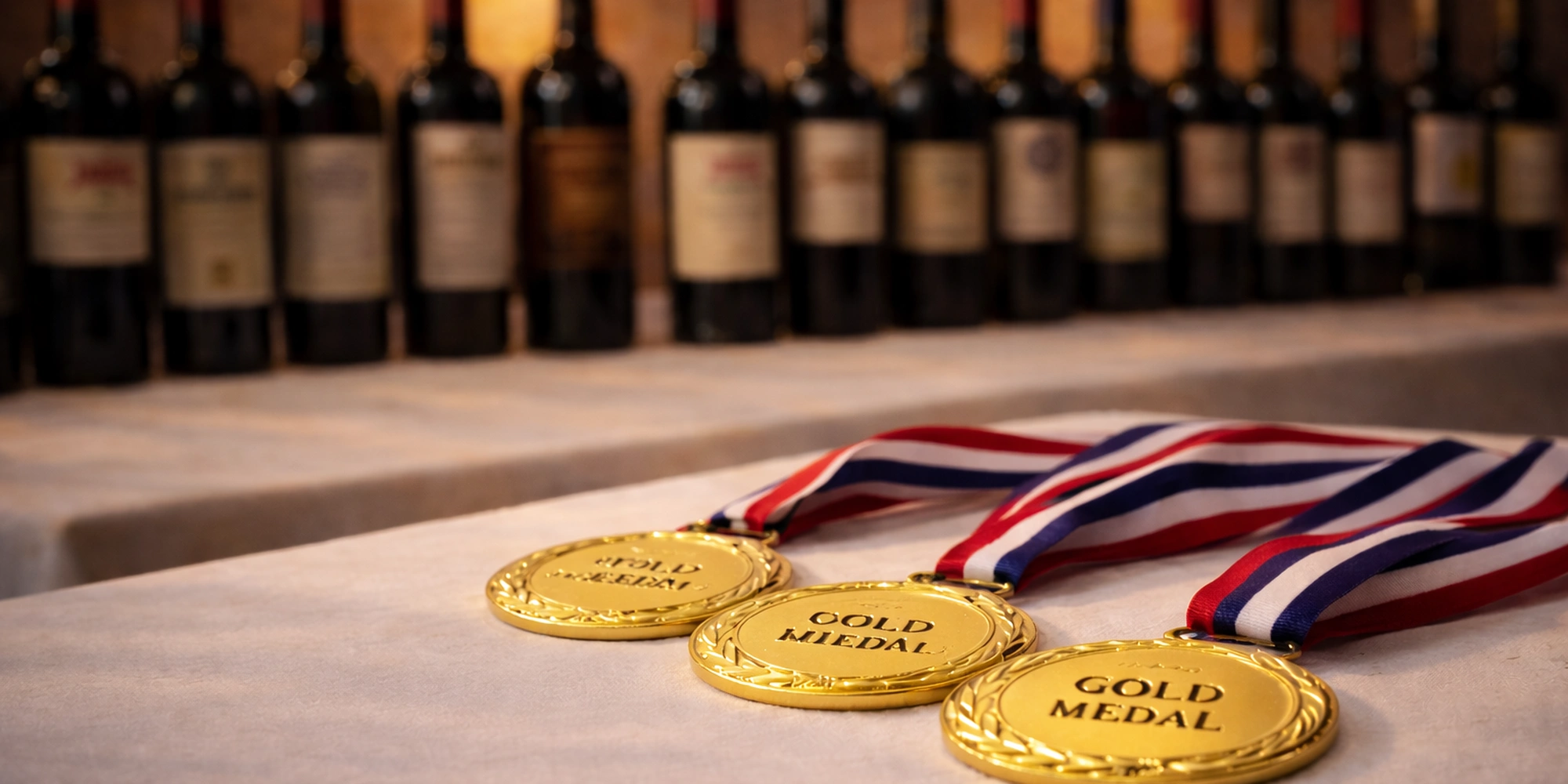
The San Francisco Chronicle Wine Competition awarded 86 Texas wines a medal of Gold, Double Gold, or Best of Class, revealing impressive depth across the state.
Two performances immediately brought to mind Michael Phelps’ eight-gold Olympic achievement:
Ab Astris Winery — eight Gold-or-better medals
Hilmy Cellars — eight Gold-or-better medals
And the Best of Class Texas wines:
Augusta Vin — 2022 Beau Chance — Texas Hill Country
Hilmy Cellars — 2021 Montepulciano — Texas High Plains
Jaclynn Renee Wines — 2024 Mourvèdre — Texas High Plains
Llano Estacado — 2024 Rosé — Texas High Plains
Missick Cellars — 2024 Viognier — Texas High Plains
What strikes me most is not a single headline result, but the breadth of excellence now visible across producers, regions, and varieties.
Momentum Becoming Identity
Wine regions evolve and develop over time. You do not start out doing the kinds of things that Texas winemakers are doing now. It takes experimentation, investment, and belief in place.
Texas is still doing that work, but now it feels different to me. There has been a shift from promise toward proof, from momentum toward something more lasting.
Gold medals are never the whole story of a region. But taken together, they can reveal direction.
These Texas wine awards are not isolated wins—they’re part of a broader trend, that feels unmistakably forward.
Complete medal results from both competitions can be found on the Texas Wine Lover website:
2025 San Francisco International Wine Competition – complete Texas results.
2026 San Francisco Chronicle Wine Competition – complete Texas results.
A Final Note on Competitions
Not every winery chooses to enter competitions.
Costs, limited production, stylistic philosophy, and simple focus on the tasting-room experience all shape that decision. Nor do all wineries produce the same number of wines in a given vintage.
Medals, therefore, do not define Texas wine.
But when recognition accumulates across respected competitions and blind judging, it becomes a meaningful signal—one worth paying attention to.