He didn’t ask for it.
But it was coming.
Ron Yates had made a simple commitment to John Friesen, one of the growers whose fruit he valued most: if Friesen planted something, Yates would buy it.
It was an expression of trust, the kind that matters in Texas wine. Trusted vineyard relationships are hard earned and worth protecting. Yates believed in Friesen and his vineyard, and he wanted to secure access to fruit from a site he valued.
So when Friesen later came to Yates and asked whether the agreement still stood, the answer was yes.
Then came the surprise.
Friesen had planted Cabernet Franc. Not a few experimental rows. Acres of it.
At first, Yates thought he had time. If Friesen was planning on planting Cabernet Franc, he would have some time to think about what to do with it.
But Friesen had already planted it. The fruit was coming that year.
Yates trusted the grower. But trust did not answer the immediate question.
What in the world was he going to do with all that Cabernet Franc?
A Grape with a Tell
To fully understand the weight of that question, it helps to understand Cabernet Franc itself.
Cabernet Franc has given the wine world some of its best-known red varieties. It is the parent grape of Cabernet Sauvignon, Merlot, and Carménère, yet it often lives in the shadow of its more famous children.
While Cabernet Franc is often thought of as a blending grape, it is not merely a supporting character. On its own, it can be fragrant, red-fruited, floral, savory, peppery, structured, and alive with acidity.
Cabernet Franc also has a tell.
Cabernet Franc is famous — sometimes infamous — for its green edge. Bell pepper, herbs, jalapeño, tobacco leaf, pepper, crushed stems, dried herbs: those notes are often tied to pyrazines, aromatic compounds that can give wines a green or herbal character. Depending on the site, the vintage, the ripeness, and the winemaking, they can either sharpen the wine or overwhelm it.
Handled well, that green edge becomes a savory counterpoint, keeping the fruit from feeling too easy, too ripe, or too simple. Handled poorly, it can dominate.
That tension is part of what makes Cabernet Franc so fascinating. In France’s Loire Valley, it can be lighter on its feet, with tart red fruit, floral notes, herbs, and bright acidity. In New York’s Finger Lakes, it can also lean into freshness, red fruit, and a cooler-climate herbal edge. In California’s Sierra Foothills, warmer conditions can bring out a riper, fuller, more fruit-forward expression.
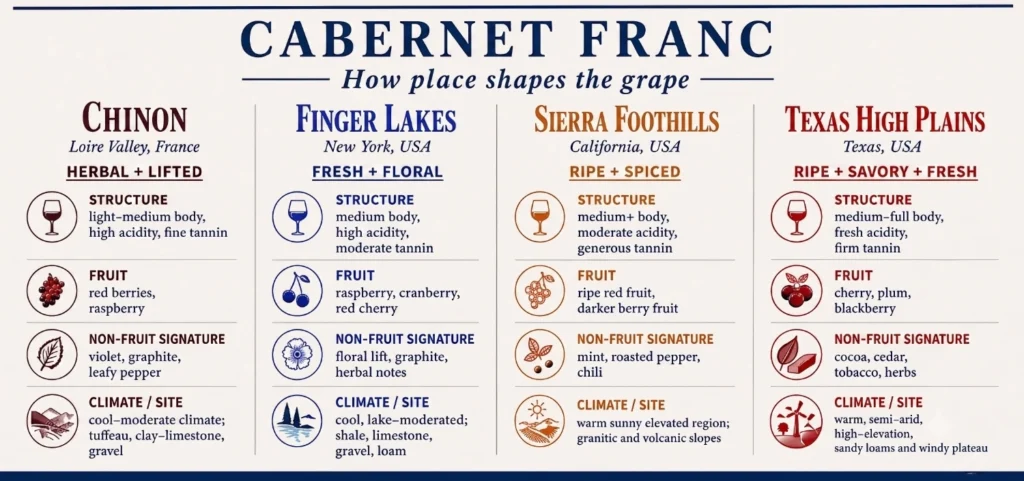
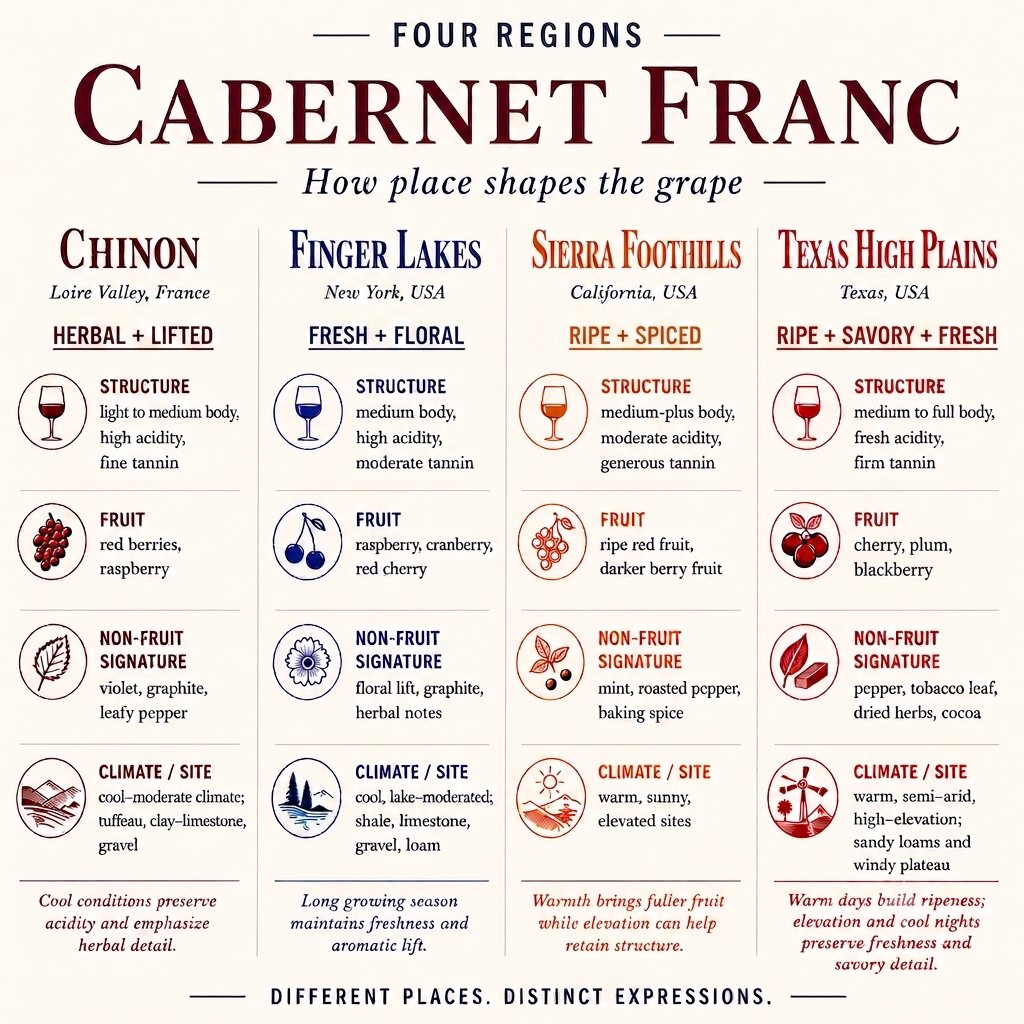
But the best versions still hold onto something that feels unmistakably Cabernet Franc: freshness, shape, fragrance, and a savory-herbal signature that gives the wine complexity.
So when Cabernet Franc began showing up from the Texas High Plains, the question was not simply whether the grape could ripen here, but what kind of wine Texas Cabernet Franc could become.
The High Plains Effect
The Texas High Plains changes the equation.
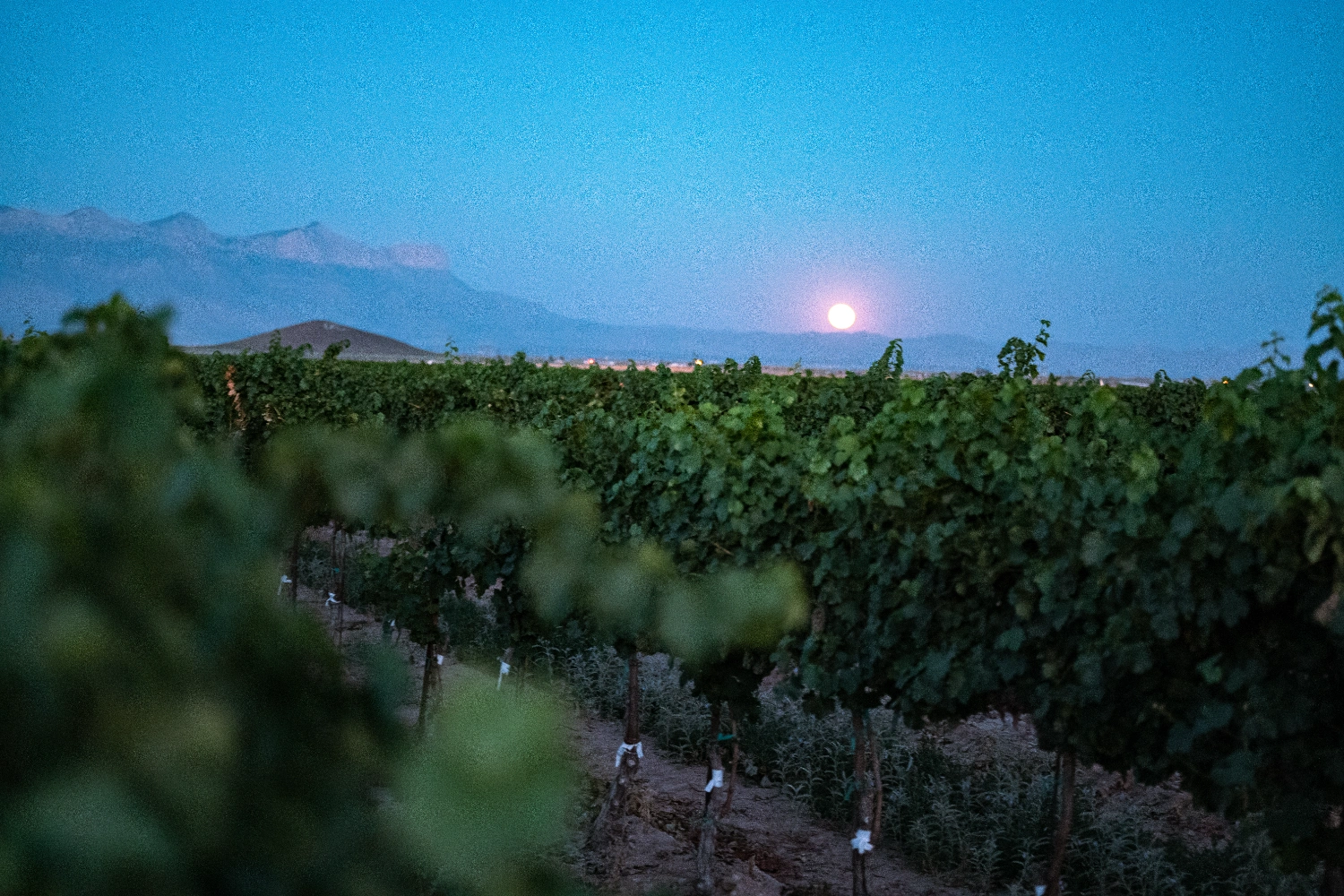
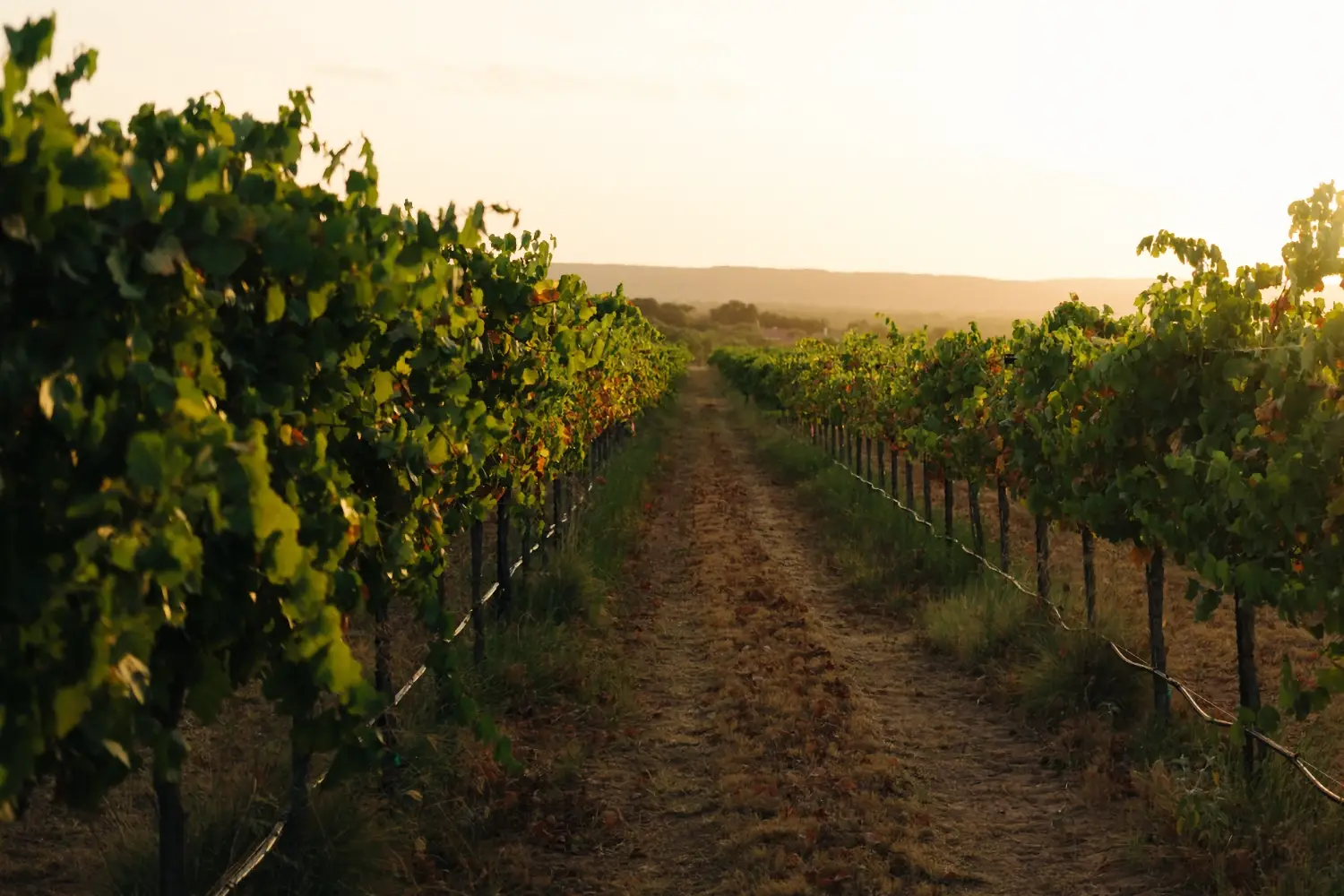
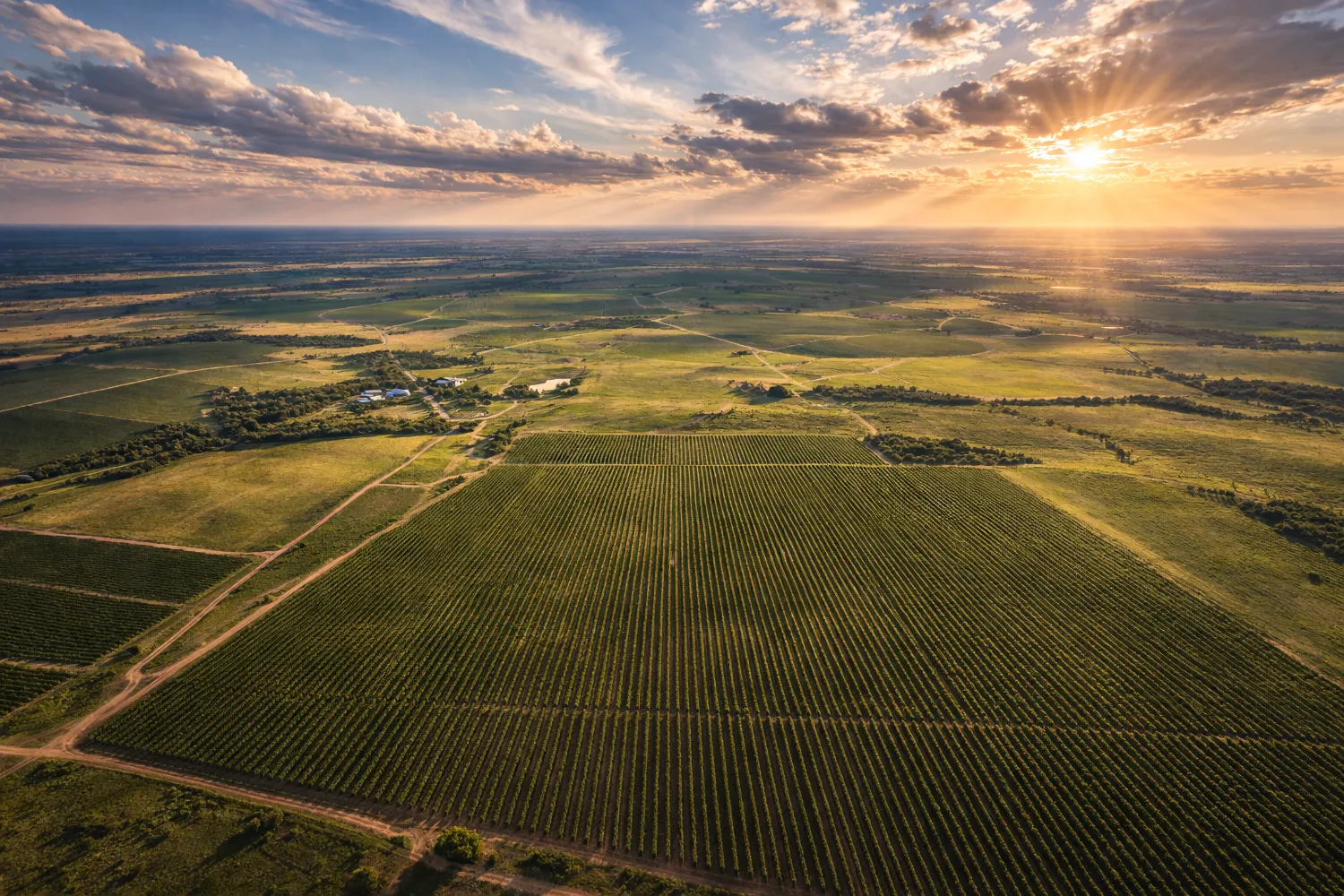
Across many of its vineyard sites, elevations in the Texas High Plains sit near 3,400 feet above sea level, where the air is thinner, the light is more intense, and the daily temperature swing can be dramatic. Cabernet Franc grown there is not simply receiving Texas heat. It is ripening under sunlight intensified by elevation, then cooling down at night in a way that helps preserve freshness.
Wind, light, elevation, and diurnal shift all work together.
For Cabernet Franc, that combination is powerful because it addresses the grape’s central tension: enough warmth to move beyond raw green notes, enough cool-night freshness to stay lifted, and enough wind and sunlight to keep its savory character in focus beneath the fruit.
As such, the High Plains becomes a distinctive instrument that shapes the wine.
Nikhila Davis of Kalasi Cellars and Narra Vineyards shared that she sees Cabernet Franc as one of the most exciting varieties grown in Texas. In her view, the combination of warm days and cool nights allows the fruit to develop while softening the pyrazine character that can be more pronounced in cooler-climate expressions.
But the climate only creates the opportunity. The vineyard still has to do its work.
That is important because Cabernet Franc is not a variety that simply ripens evenly and waits politely for harvest. It can carry savory complexity beautifully, but it can also expose every shortcut. At that point, the grower is not just managing yield. The grower is helping determine what kind of Cabernet Franc reaches the winery.
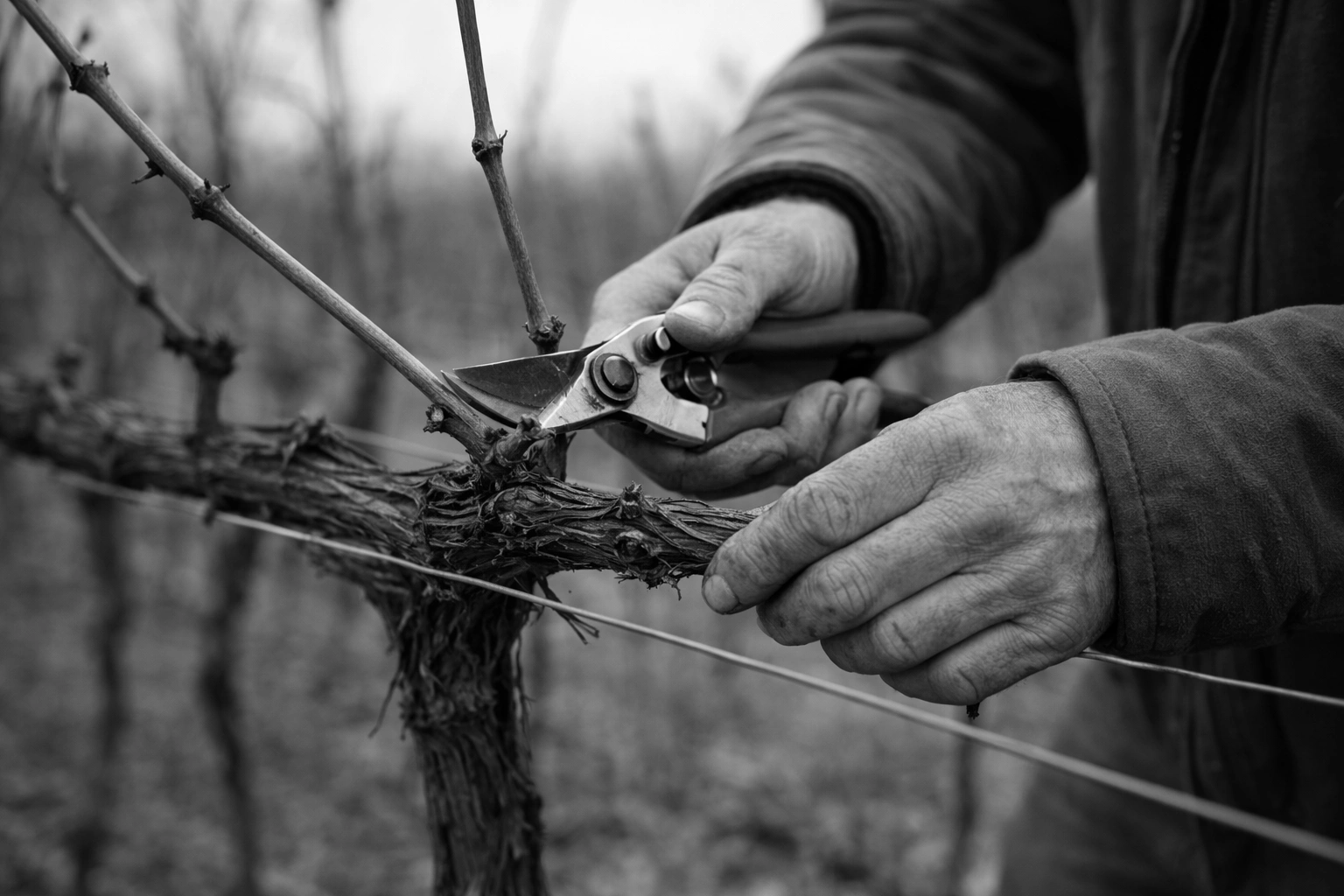
For Davis, that means paying close attention late in the season. She says Cabernet Franc can produce smaller, later-ripening clusters that never quite catch up to the rest of the grapes. Those clusters have to be removed so the vine can focus its energy on ripening the rest of the berries. If that work does not happen, it can affect the overall quality of the fruit.
The goal is to bring the grape’s character into balance.
In the best examples, the green edge does not announce itself as raw bell pepper. It becomes quieter and more integrated — like a sprig of fresh rosemary in a rich stew, it is not the main flavor, but it changes the whole impression.
That may be the High Plains effect: a balancing force — warmth to ripen, elevation to preserve freshness, and sunlight intensified by thinner air to keep Cabernet Franc’s savory detail in focus.
What to Do With the Fruit
The High Plains gives Cabernet Franc potential, but Ron Yates was still skeptical.
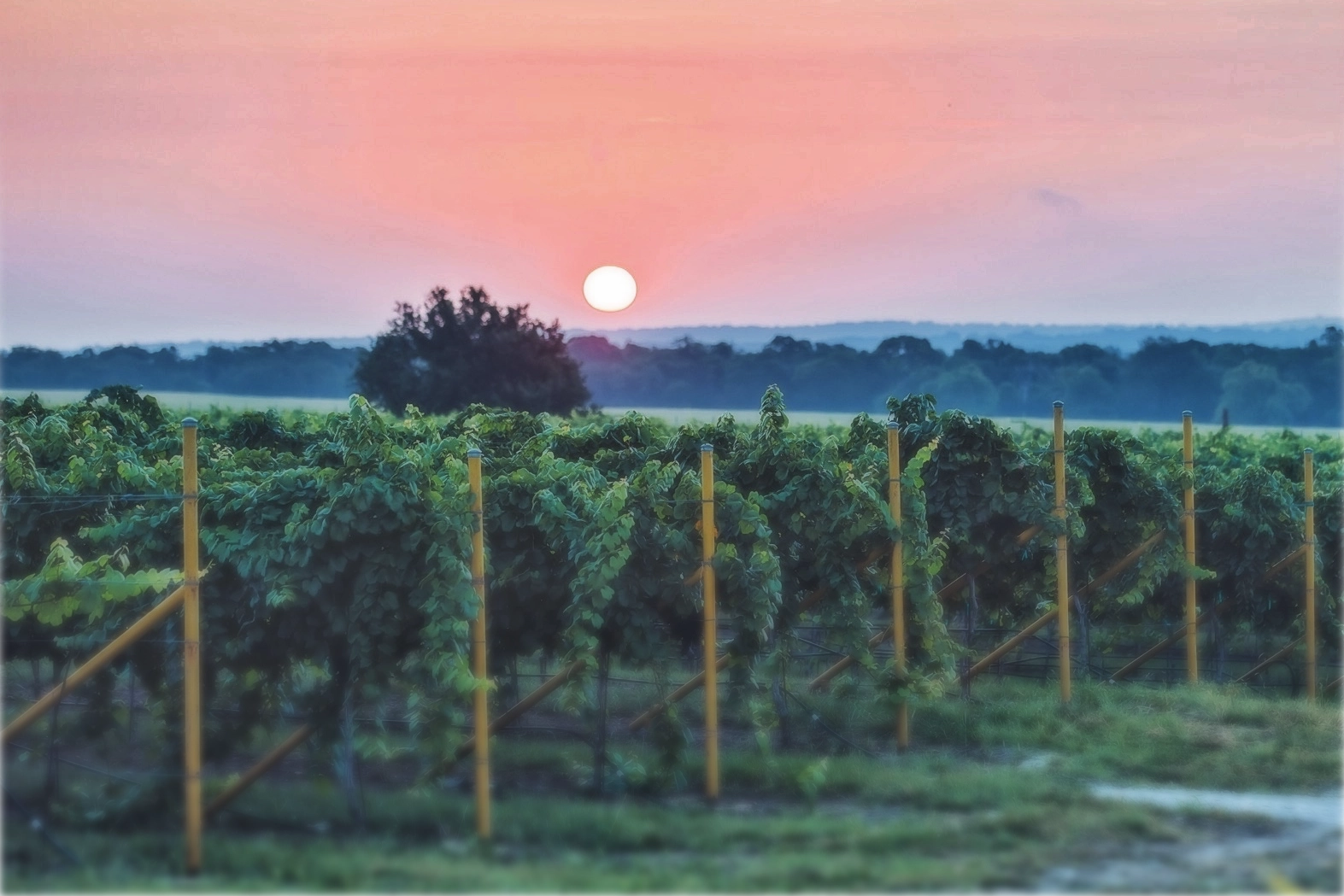
The grape was not part of his plan, yet it was headed to his cellar. And because it was coming from John Friesen, Yates could not dismiss it as a casual experiment. By then, Friesen had earned Yates’ trust through meticulous vineyard work — no shortcuts, no guesswork.
The first year, weather bought him time. A hail event dramatically reduced the crop, making the initial harvest easier for Ron Yates Wines to absorb. But the reprieve was temporary. Another Cabernet Franc vintage would be coming the next year, and Yates still needed an answer.
His solution began as a practical one. Rather than make all the wine himself, Yates invited winemakers he respected to work with the same Cabernet Franc from Friesen Vineyards and see how different the results could be. He also sought a way for wine lovers to taste those differences for themselves.
That idea became the Friesen Franc Off.
Same Fruit, Different Cellars
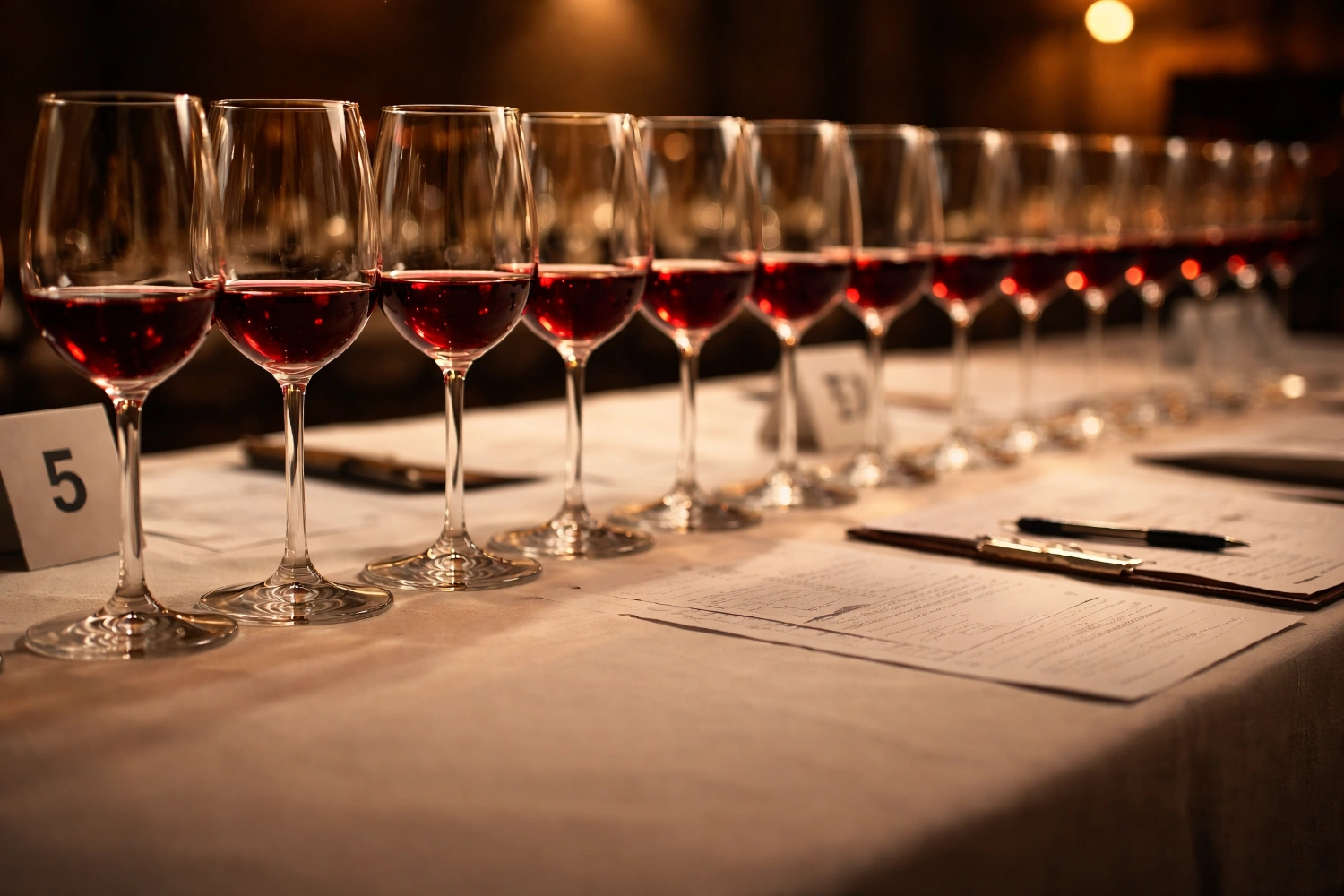
The first Friesen Franc Off brought together four wineries: Ron Yates, William Chris, Lost Draw, and Signor. Each started with the same Friesen Vineyards fruit, then followed its own cellar decisions.
The point was not to declare a winner. It was to let people taste the differences.
People showed up. The first Friesen Franc Off drew roughly 500 attendees, showing that the idea resonated beyond the winemakers themselves.
In most comparisons, variables multiply quickly. Two wineries may work with fruit from the same site, but pick on different days, pursue different ripeness levels, or receive fruit with different chemistry. At the Franc Off, much of that uncertainty was removed. Same vineyard. Same vintage. Harvested and delivered at the same time. Same starting point.
What remained was interpretation.
For Brad Buckelew, winemaker at Lost Draw, that was part of the appeal. He likes verticals and side-by-side tastings, and this was a rare chance to compare wines from winemakers and brands he respects.
Buckelew shared that while Cabernet Franc carries a reputation for firm tannins and green, pyrazine-driven character, the Friesen Vineyards fruit surprised him. It was clean, balanced, softer in tannin than expected, and much more fruit-forward than vegetal.
That is exactly what made the first Franc Off revealing. The wines were not identical, but they were recognizably connected. Each carried the same vineyard underneath it, while each winery made different decisions about extraction, texture, oak, and style.
For Michael Barton of Signor Vineyards, that range is part of Cabernet Franc’s appeal. The grape can move in different directions. It can be treated with a lighter hand, showing freshness, silkiness, and aromatic lift, or it can lean into a broader Bordeaux-style frame with more structure and depth.
Barton emphasized letting the vineyard show rather than forcing the wine into a predetermined shape. With Cabernet Franc, that can mean resisting the temptation to cover the grape’s savory side or push it into something too polished. French oak can add structure without overwhelming the wine. Lees contact can build texture. The goal is not to make the grape louder, but to give it enough shape for its character to come through.
That makes the Franc Off more than a curiosity. It is a controlled comparison — a way to taste how the same fruit, from the same place, can become several distinct expressions through different winemaking choices.
From Skepticism to Showcase
For Yates, the surprise was not only that the Franc Off worked.
It was that the grape worked.
He had not expected Cabernet Franc to become a major part of his program. But the Friesen Vineyards fruit changed the question from what he was going to do with all that Cabernet Franc to how much more of it he could get.
What impressed him was the balance. Cabernet Franc from Friesen Vineyards could hold its acid while still allowing the fruit to be pushed toward fuller development. The result was not a thin, green wine, and it was not a heavy one. It had enough fruit to feel generous, enough freshness to stay lifted, and enough savory detail to remain unmistakably Cabernet Franc.
That changed its place at Ron Yates Wines.
Cabernet Franc has become the winery’s third-largest production wine, behind Tempranillo and Cabernet Sauvignon. Yates now treats it as a showcase wine — the kind of wine that leaves guests with a strong impression of what Ron Yates Wines is doing.
Other winemakers have noticed, too. After working with the Friesen Vineyards Cabernet Franc, some have asked Yates whether they can get more of the fruit.
His answer has been a firm no.
The grape he did not ask for had become too important to the Ron Yates Wines program to let go easily — and one of the wines he most wanted people to experience.
Cab Franc Trending?
Yates’ change of mind is telling, but it did not happen in isolation.
The same grape that surprised him has been showing up well beyond one tasting room, one vineyard, and one event. Across the Texas High Plains, Cabernet Franc has begun to draw the kind of recognition that suggests something more than a lucky bottle or a single strong vintage.
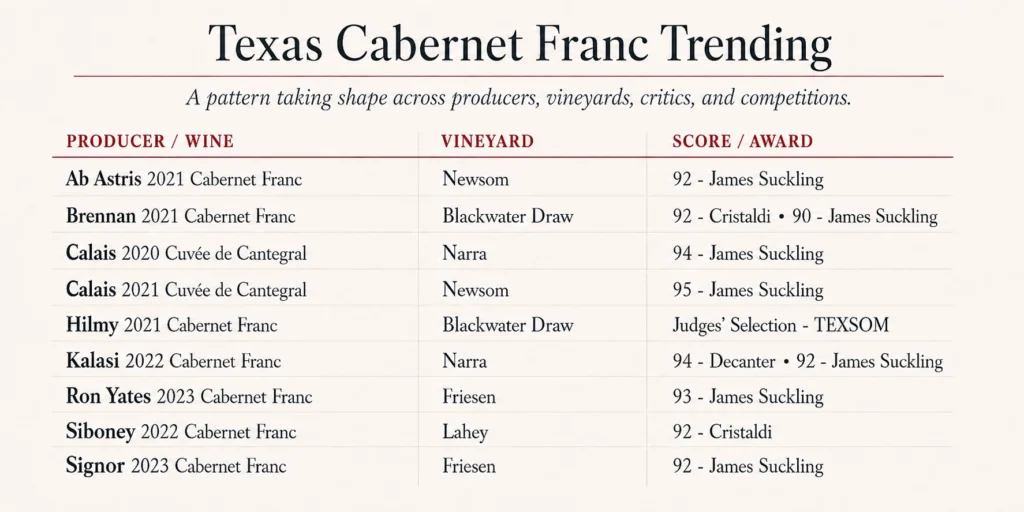
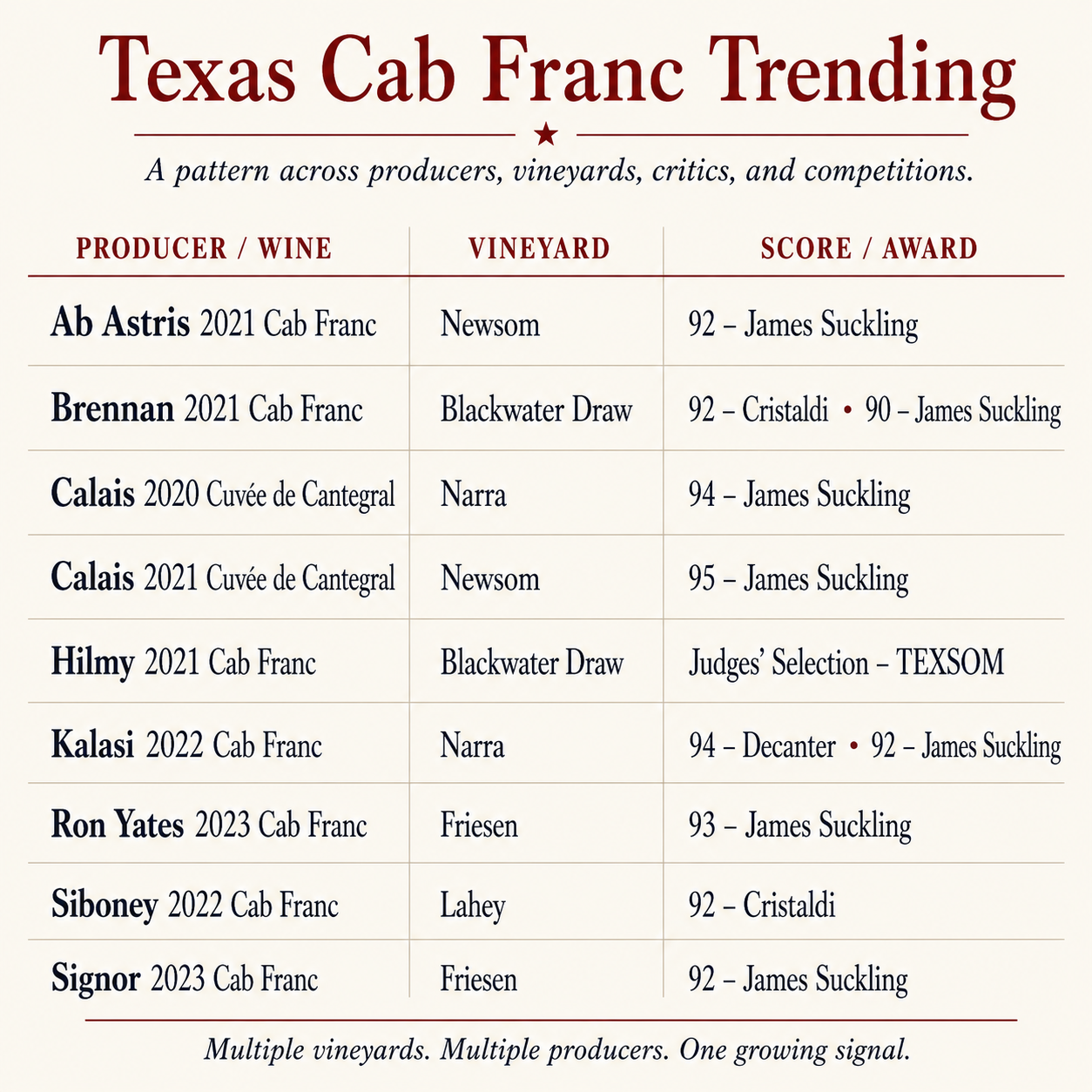
The scores have started to stack up. James Suckling rated Calais’ 2021 Newsom Vineyards Cabernet Franc 95 points and its 2020 Narra Vineyards Cabernet Franc 94 points. Ron Yates’ 2023 Friesen Vineyards Cabernet Franc followed at 93. Ab Astris, Kalasi, and Signor each received 92-point scores for High Plains Cabernet Franc, while Brennan Vineyards appeared in Suckling’s results at 90 points.
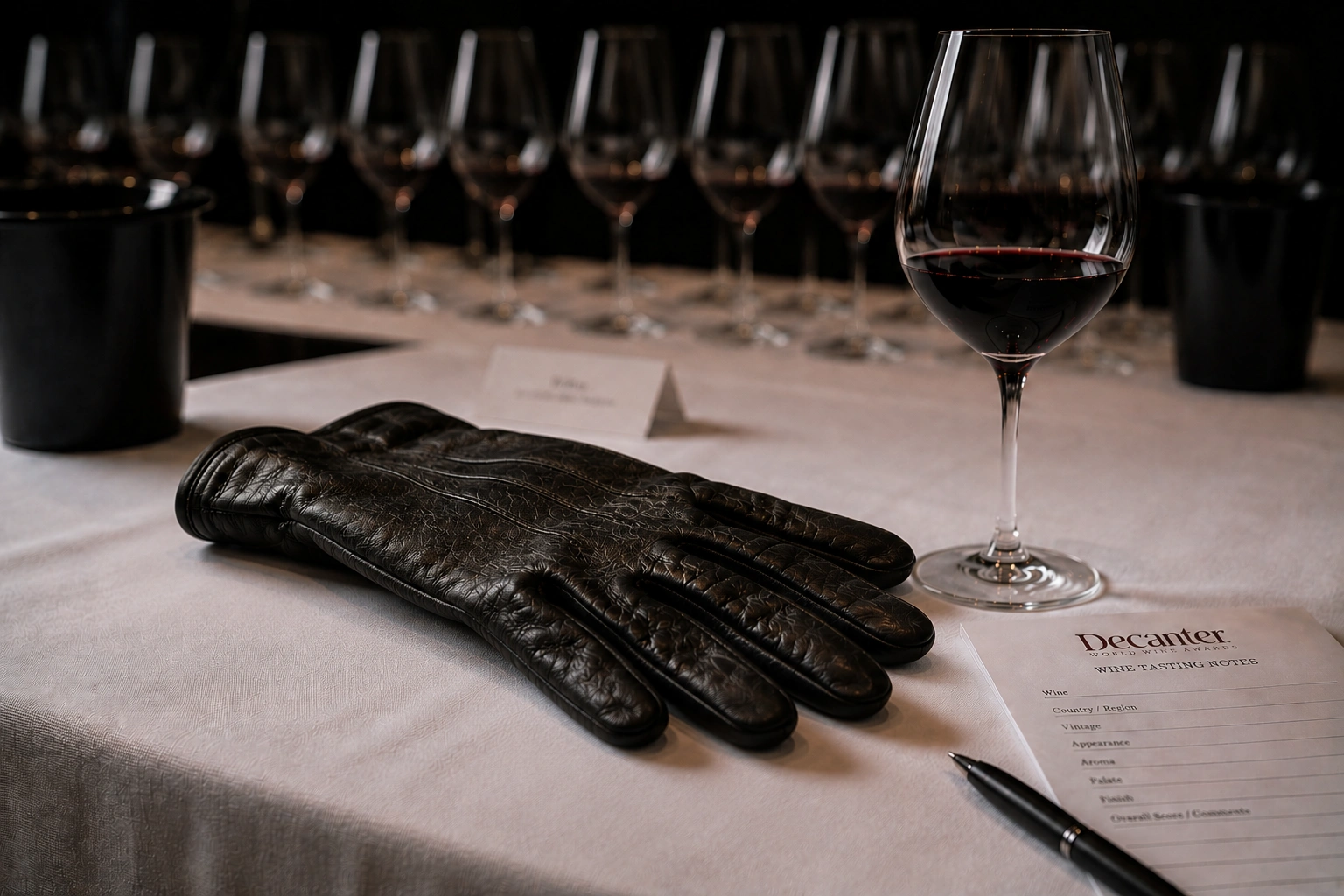
Other critics have pointed in the same direction. Decanter awarded 94 points to Kalasi’s 2022 Narra Vineyards Cabernet Franc, while Jonathan Cristaldi’s own reviews gave 92 points to Cabernet Francs from Brennan Vineyards and Siboney Cellars.
The recognition has not been limited to published reviews. Hilmy’s 2021 Blackwater Draw Vineyard Cabernet Franc, made in more of a Loire Valley style, received Judges’ Selection, the highest award at TEXSOM, adding another Texas producer — and another form of recognition — to the same High Plains pattern.
Taken together, the recognition reaches across producers, critics, competitions, and vineyards — Friesen, Narra, Newsom, Lahey, and Blackwater Draw among them. Scores are not the story by themselves. But when Cabernet Franc begins appearing again and again from different High Plains sites, in different cellars, and through different forms of recognition, the signal becomes harder to dismiss.
That broader success makes this year’s Friesen Franc Off even more interesting. The idea expands from four interpretations to five, with Ben Calais, one of Texas’s most respected winemakers, joining the comparison. For Texas wine drinkers, it offers a rare chance to taste one of the state’s most compelling Cabernet Franc stories through five different cellar perspectives.
A Story Still Unfolding
Cabernet Franc did not enter this story as an obvious Texas success.
It arrived as a question, and in Ron Yates’ case, what seemed like a problem. A grape he had not planned around was suddenly headed to his cellar, with a lot of uncertainty.
But that is how some of the more interesting stories in Texas wine begin. Not with certainty, but with a grower willing to plant something, a winemaker willing to try it, and a place capable of revealing what it can become.
This makes Cabernet Franc one of the more compelling varieties to watch, especially when it comes from High Plains vineyards farmed with purpose and made by winemakers paying close attention.
The story is no longer just whether Cabernet Franc can work in Texas. It is how well it can work, and how many different voices it may find.